Trump’s China Warning Puts the UK Under Growing Geopolitical Pressure
Written by Frode Skar, Finance Journalist.
Background
UK Prime Minister Keir Starmer has concluded a three-day visit to China aimed at rebuilding economic and commercial ties between London and Beijing. The trip comes at a time when global trade relations are increasingly shaped by geopolitical rivalry, strategic alignment, and pressure from major powers.
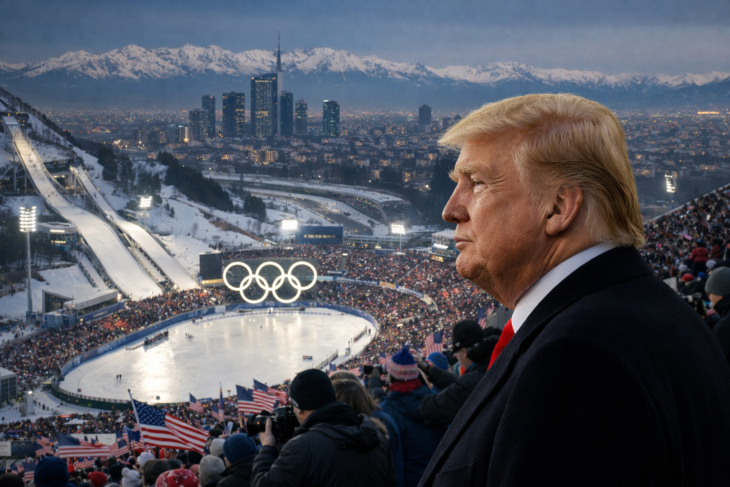
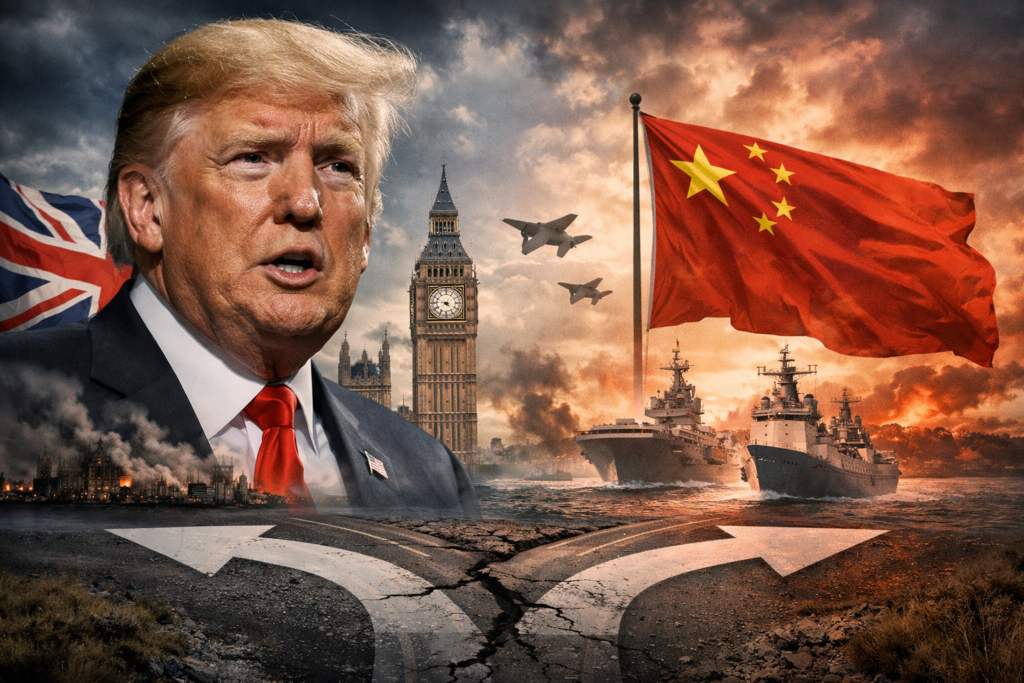
During the visit, US President Donald Trump publicly warned that it would be “dangerous” for the United Kingdom to deepen its business relations with China. The remarks highlight the growing strain on Western allies attempting to balance relations between Washington and Beijing.
What has happened
As Starmer arrived in Shanghai for the final stage of his visit, Trump told journalists that closer UK-China economic cooperation carried significant risks. He drew comparisons with Canada, which has previously faced trade threats from Washington following engagement with Beijing.
The UK government responded by noting that the United States had been informed of the trip in advance and pointed out that Trump himself is expected to visit China later this year. Starmer reiterated that Britain would not choose between Washington and Beijing, instead pursuing what he described as a pragmatic and independent foreign policy.
Economic outcomes of the China visit
The prime minister highlighted tangible results from the trip, including reduced tariffs on British whisky and visa-free travel for UK citizens visiting China. A large British delegation accompanied the visit, including representatives from business, culture, sport, and the arts.
Starmer argued that deeper engagement across trade, culture, and institutions is essential to building trust. He emphasized that the UK has strong competitive advantages in services, finance, education, and creative industries that remain attractive to the Chinese market.
A diplomatic tightrope
Despite the economic focus, the visit has been politically sensitive. Human rights concerns, including the treatment of ethnic minorities and the imprisonment of activist Jimmy Lai, were raised during meetings with Chinese officials.
For the UK government, the challenge lies in balancing the defense of national values and security interests with the reality that China is the world’s second-largest economy and a central player in global supply chains.
Washington’s double standard
Analysts have pointed to an apparent contradiction in Trump’s warning. The United States remains China’s largest trading partner, with American companies deeply embedded in Chinese manufacturing, technology, and consumer markets.
Critics argue that the warning reflects a broader US strategy of leveraging trade and security ties to influence the foreign policy decisions of allies, rather than a genuine attempt to reduce global economic dependence on China.
Analysis: Britain between two powers
Starmer’s insistence that the UK will not choose sides reflects a hard-nosed economic reality. A complete decoupling from China would be economically damaging, while the transatlantic relationship with the US remains critical for security, finance, and trade.
This balancing act is increasingly complex. Moving too close to Beijing risks political and economic retaliation from Washington, while distancing too far from China could undermine Britain’s competitiveness in a global economy where China plays a central role.
What this means going forward
The China visit is unlikely to produce transformative trade deals in the short term. Instead, it sends a strategic signal that the UK intends to remain engaged, visible, and active in its relationship with Beijing.
Over time, Britain’s ability to navigate this path will determine whether it can position itself as a medium power capable of managing great-power rivalry — or whether external pressure will ultimately limit its strategic autonomy.