Written by Frode Skar, Finance Journalist.
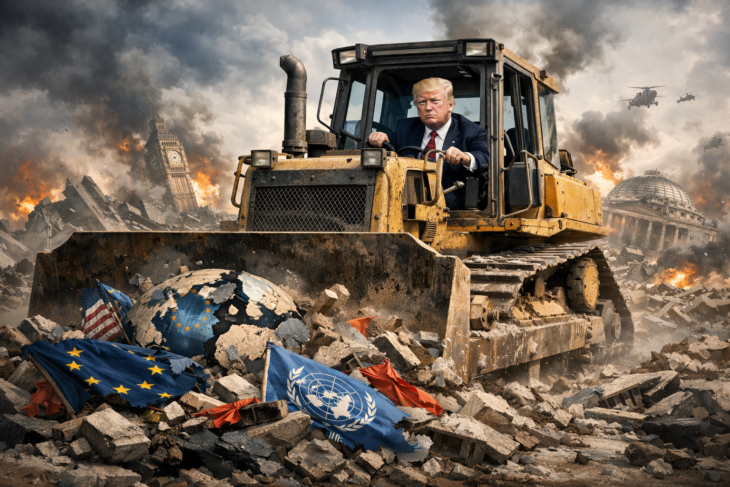
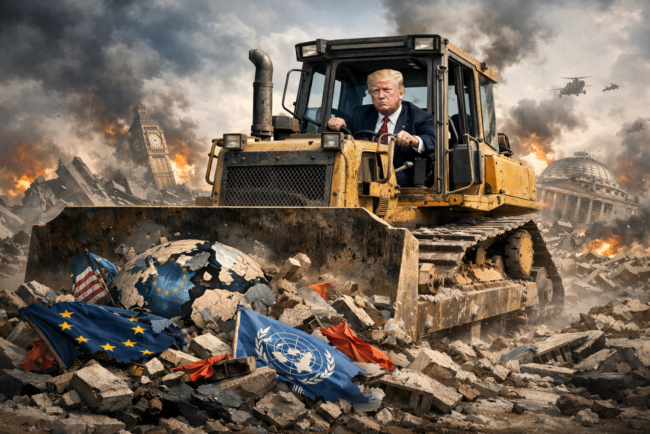
Trump world order described as a bulldozer tearing down global stability
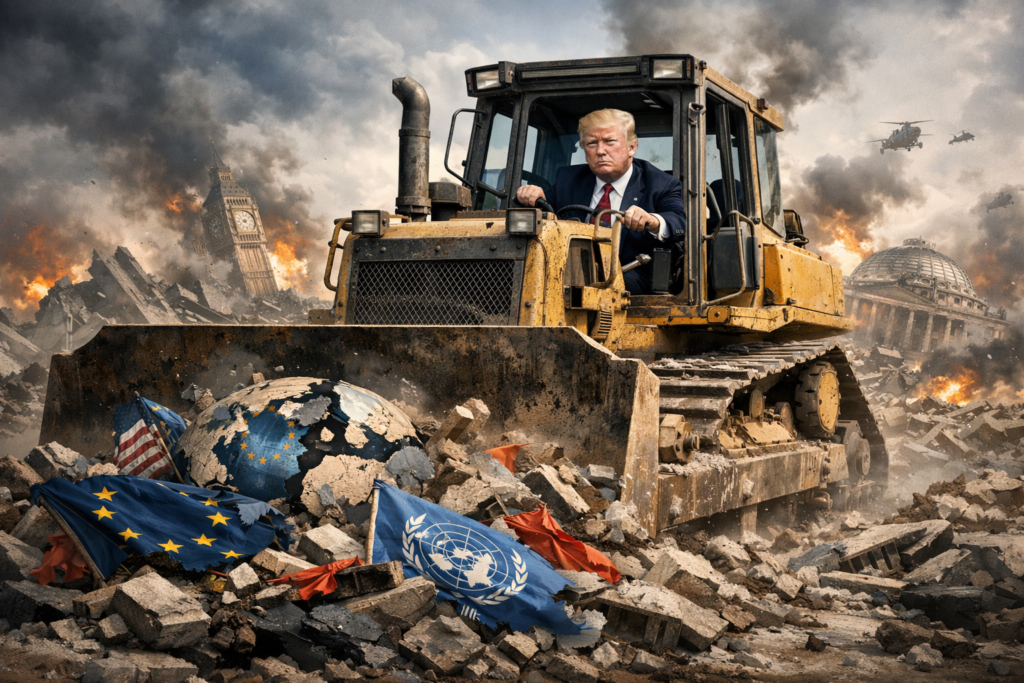
Trump world order warned against in stark report ahead of Munich security summit
The global order that has shaped international politics and economic relations since the Second World War is breaking down, and the United States is now playing a central role in that process. That is the core warning in a new report released ahead of the Munich Security Conference, where more than 60 heads of state and hundreds of ministers, military leaders and business executives are gathering this week.
The report portrays US President Donald Trump as a political bulldozer whose policies are dismantling institutions, agreements and norms that have underpinned the rules based international system for more than eight decades. According to the authors, the consequences are already visible and could have lasting implications for global stability, democratic governance and the distribution of economic power.
A brutal assessment of the global situation
The annual Munich Security Conference report concludes that the world as it has been known no longer exists. Russia’s war against Ukraine is entering its fifth year, while democratic values are being eroded across multiple regions.
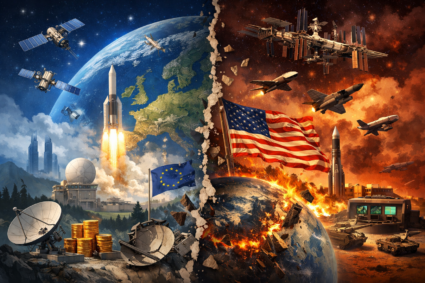
Instead of cooperation and shared rules, the report warns of a shift toward raw power politics. Transactional deals may replace long term cooperation, private interests may outweigh public ones, and regional hegemons could increasingly dominate in place of universal norms.
Trump world order identified as a key driver of disruption
Responsibility is placed primarily on Donald Trump and what the report labels a bulldozer approach to global politics. The United States, which once led the construction of the post war rules based order, is now accused of actively dismantling it.
Over a short period, Trump has sidelined key international agreements and institutions. The World Trade Organization has been undermined, trade conflicts have intensified, and US foreign aid has been halted or sharply reduced. According to the report, these actions have weakened confidence in global rules and increased uncertainty in markets and diplomatic relations alike.
Challenges to international law and sovereignty
One of the most serious concerns highlighted in the report is Trump’s apparent disregard for international law. The authors argue that the US president has openly challenged the principle of national sovereignty, a cornerstone of the existing global order.
Trump’s controversial statements and claims regarding Greenland are cited as an example that has shaken NATO allies and strained transatlantic relations. The report suggests that such rhetoric risks normalising coercion and pressure as tools of statecraft.
Authoritarian forces gaining ground worldwide
The report stresses that Trump is not an isolated case. Authoritarian and anti democratic forces are gaining influence in multiple countries, reflecting a broader global trend in which political movements favour destruction over reform.
This dynamic is visible both in established democracies and in states with weaker institutions. According to the report, the result is declining trust in democratic processes and a rise in polarisation and instability.
Europe prepares for a more confrontational US relationship
In Europe, concern over relations with the United States is growing. French President Emmanuel Macron has warned that Europe must prepare for new conflicts with Washington. The Trump administration is described as openly anti European, with an apparent objective of weakening the European Union and European cohesion.
Speculation is mounting that Macron will deliver a speech of historic significance in Munich, outlining Europe’s strategic response to a changing transatlantic relationship.
Public frustration fuels support for the far right
The report also draws on survey data showing rising frustration and feelings of powerlessness among the public in several Western countries. In Germany, France and the United Kingdom, more than half of respondents believe their living conditions will not improve in the years ahead.
According to the authors, this erosion of optimism undermines trust in existing political systems and fuels growing support for far right parties and authoritarian movements. In Germany, the far right Alternative for Germany party is now the second largest and is sending its own delegation to the Munich conference for the first time.
A system that benefits the powerful
The report warns that this rightward shift could have profound consequences for liberal democracies. The authors describe it as one of the most consequential trends of the 21st century, with the potential to fracture democratic systems from within.
At the same time, the report highlights a central paradox. A world with weaker rules and stronger power politics may ultimately serve the interests of the rich and powerful, rather than those of broader society.
A packed week for global security diplomacy
This year’s Munich Security Conference concludes an unusually intense week for European and transatlantic security policy. Ahead of the summit, EU defence ministers, NATO defence ministers and EU heads of government have all held separate meetings.
Norway is strongly represented in Munich, led by Prime Minister Jonas Gahr Støre alongside the foreign minister, finance minister, defence minister and development minister. The conference thus brings together key decision makers at a moment when alliances, institutions and the balance of power are under growing strain.
A warning of a changing global order
The message of the report is clear. The world is moving away from cooperation and shared rules toward a more fragmented, conflict driven and unpredictable order. At the centre of this shift stands a US policy that, according to the authors, breaks with decades of international practice.
For participants in Munich, the challenge is how democratic states can defend institutions, values and stability in a world where traditional guarantors of the global order no longer play the same role.