Written by Frode Skar, Finance Journalist.
Trump says Iran prefers a deal over facing US military action
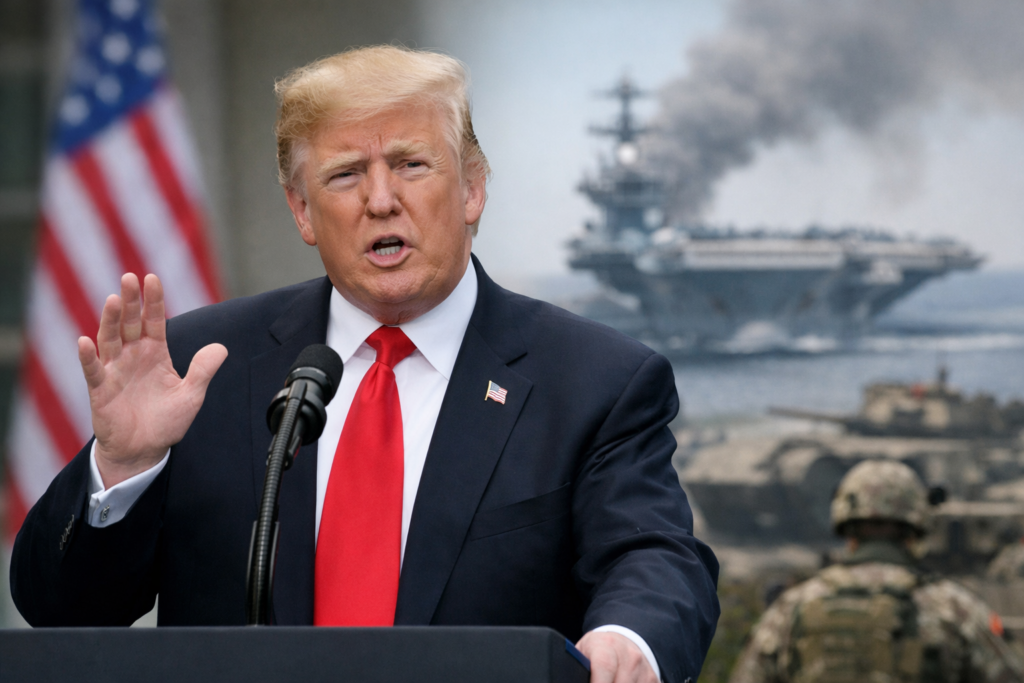
US President Donald Trump has said Iran wants to reach an agreement with the United States rather than face potential military action, despite Tehran’s firm insistence that its missile and defence capabilities will never be subject to negotiation.
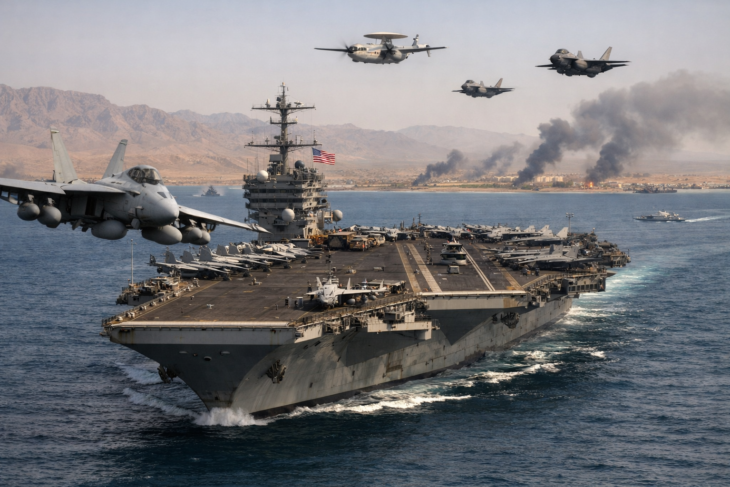
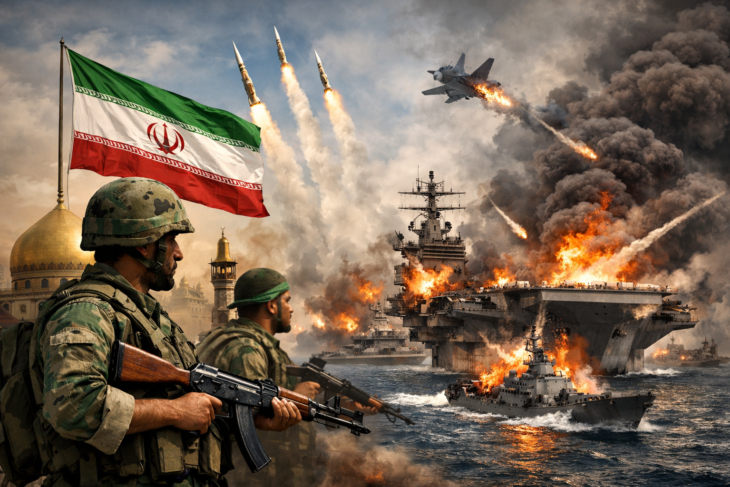
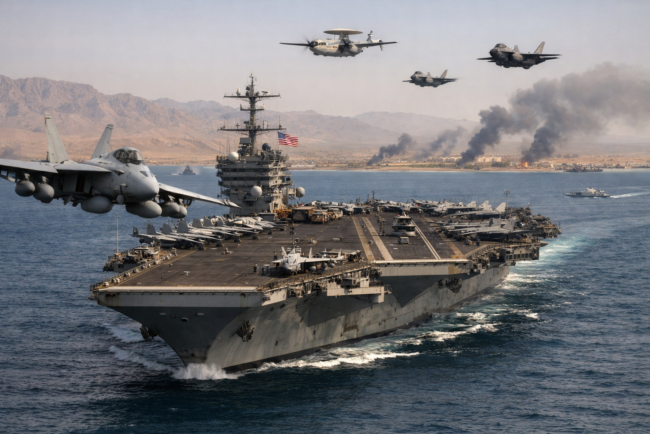
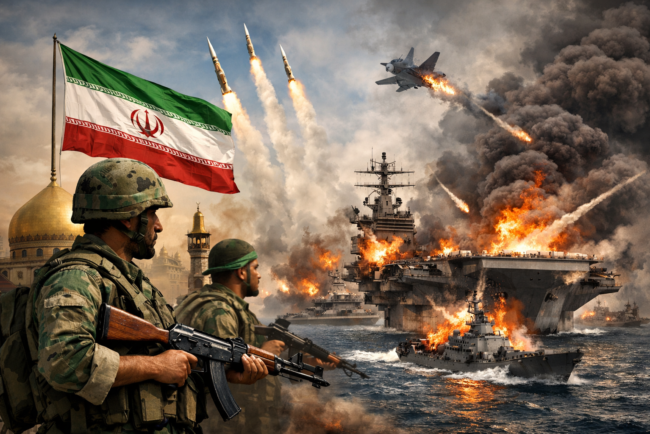
The remarks come amid a visible build up of US naval forces in waters close to Iran, underscoring rising geopolitical tension in the Middle East where diplomacy and military pressure are being deployed simultaneously.
US pressure and unanswered questions on timing
Speaking to reporters at the White House, Trump said he believed Iran was interested in making a deal, though he offered no details on what such an agreement might entail. He declined to confirm whether Tehran had been given a clear deadline to engage in negotiations in order to avoid escalation.
The president also refused to outline any timeline for withdrawing the US naval presence from the region. Referring to a large American armada operating nearby, Trump suggested the forces would remain where they are for now, signalling that military pressure will continue as leverage.
Iran rejects talks on defence and missiles
Iran’s foreign minister Abbas Araghchi said there are currently no talks planned with Washington. However, he indicated that Iran remains open to negotiations conducted on the basis of what he described as mutual respect and trust.
Araghchi has repeatedly stressed that Iran’s missile programme and defensive systems are not negotiable under any circumstances. Speaking at a press conference in Istanbul following talks with his Turkish counterpart, he said that only fair and just negotiations could form the basis of any future dialogue.
Iran continues to insist that its nuclear programme is entirely peaceful, rejecting accusations from the US and its allies that it is seeking to develop nuclear weapons.
Russia enters the diplomatic equation
As pressure from Washington intensifies, Iran has also deepened engagement with Moscow. The Kremlin confirmed that Ali Larijani, head of Iran’s Supreme National Security Council, met Russian President Vladimir Putin in recent days.
According to Russian state media, the discussions covered Middle Eastern developments and broader international issues. The meeting highlights Iran’s efforts to balance US pressure by reinforcing strategic ties with Russia.
Nuclear negotiations linked to internal unrest
Trump’s comments also follow a period of widespread protests and a severe crackdown inside Iran. The US president has previously said Washington would intervene to support demonstrators after reports of extensive violence by Iranian authorities.
He later claimed to have been informed that executions of protesters had been halted, attributing this development to US pressure. Trump has stated that Iran must meet two conditions to avoid military action: abandoning any pursuit of nuclear weapons and ending the killing of protesters.
Conflicting reports on the human toll
According to the US based Human Rights Activists News Agency, more than 6,300 people have been confirmed killed since unrest began in late December, including over 5,900 protesters.
The organisation is also investigating reports of an additional 17,000 deaths that have yet to be verified, amid extensive internet shutdowns that have hampered independent reporting.
Meanwhile, the Norway based Iran Human Rights has warned that the final death toll could exceed 25,000, a figure that would place the unrest among the deadliest episodes in Iran’s recent history.
A high stakes diplomatic standoff
The current situation reflects a high stakes confrontation in which military deployments are used as bargaining tools while diplomatic channels remain formally open. For Iran, the priority is maintaining strategic autonomy and preserving its defence capabilities. For the US, the focus lies on curbing Iran’s nuclear ambitions while projecting strength both regionally and domestically.
Whether Trump’s assertion that Iran wants a deal reflects genuine behind the scenes negotiations or serves primarily as strategic signalling remains unclear. What is evident is that the outcome will carry significant implications for Middle Eastern stability and the broader balance of power between global actors.