Written by Frode Skar, Finance Journalist.
Samsung Galaxy S26 offers a preview of what a Google powered Siri could become in the AI age
Samsung Galaxy S26 with Gemini signals the next phase of mobile artificial intelligence
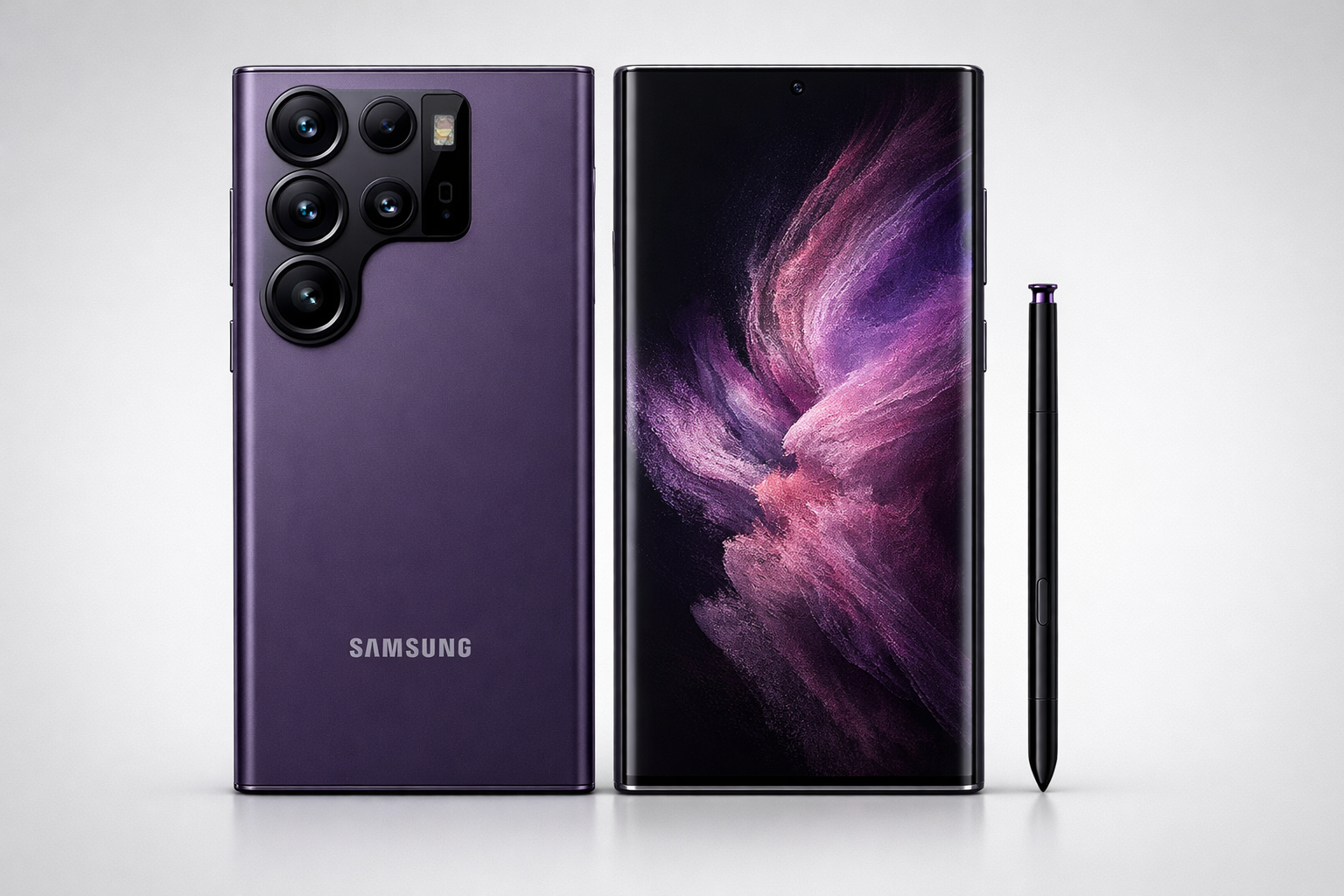
Samsung has unveiled the Galaxy S26 series, positioning Google’s Gemini artificial intelligence at the center of its most ambitious AI smartphone strategy to date. The launch comes as Apple prepares a major overhaul of Siri, powered by the same Gemini models.
The Samsung Galaxy S26 is therefore more than another flagship device. It functions as a live demonstration of what a Google powered Siri may ultimately deliver once Apple’s upgrade is fully deployed.
At the core of the Samsung Galaxy S26 is a multi agent framework that integrates three distinct AI systems. Google Gemini handles agentic tasks across applications. Perplexity supports web based search and contextual queries. Samsung’s upgraded Bixby operates as an on device assistant powered by a more advanced internal language model.
This diversified approach reflects how central the AI race has become in the premium smartphone market. Rather than relying on a single ecosystem provider, Samsung is spreading strategic risk across multiple AI engines while maintaining deep alignment with Google.
Samsung Galaxy S26 enables autonomous AI action in third party apps
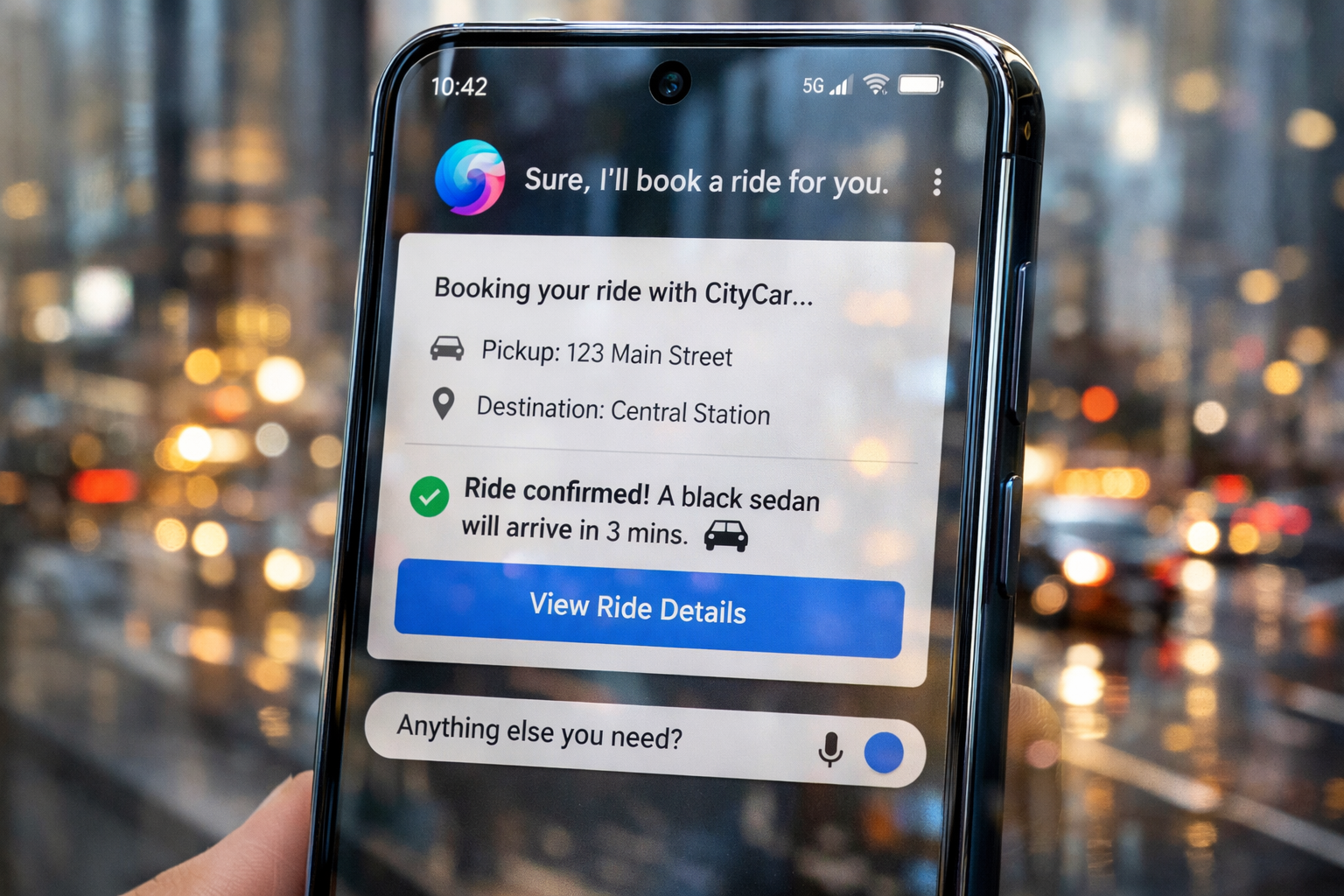
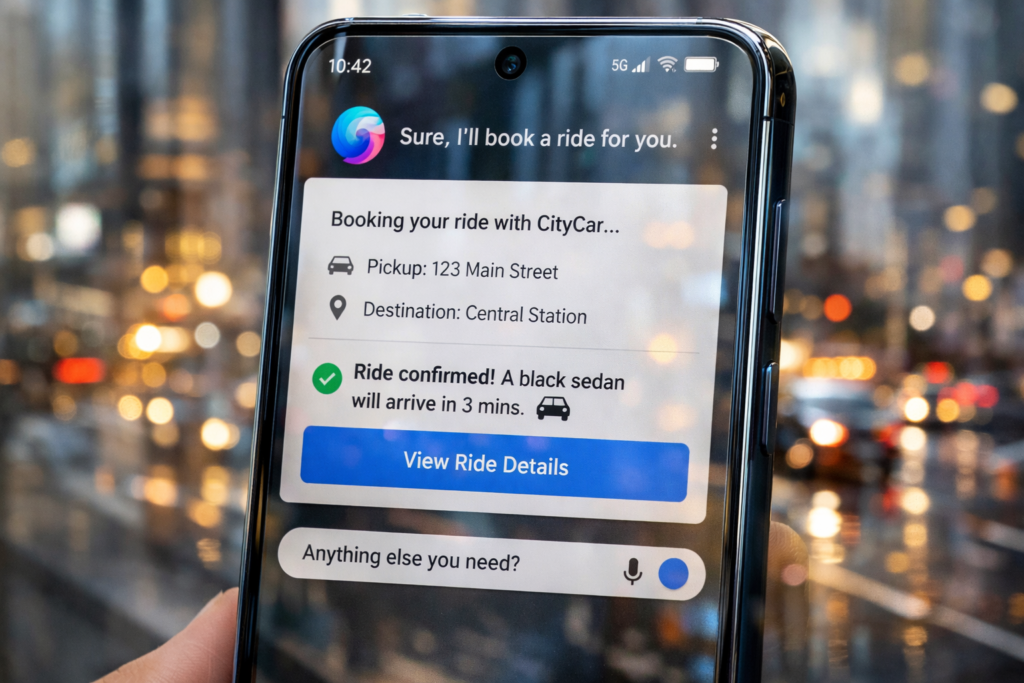
The defining feature of the Samsung Galaxy S26 is Gemini’s ability to autonomously operate third party applications. Previously, AI interactions were largely confined to Samsung’s own native apps. With the S26, Gemini can now open, navigate and execute tasks inside apps such as Uber on behalf of the user.
For example, a user can request a ride through Gemini. The assistant launches the app, selects ride options and completes the booking process in the background while the user continues other activities. Samsung has indicated plans to expand this functionality to additional ride sharing platforms and eventually food delivery services.
This shift from passive assistance to active task execution marks a structural change in how mobile AI is positioned. The Samsung Galaxy S26 demonstrates that agentic AI is moving from theoretical promise to practical deployment.
From a market perspective, this evolution redefines expectations for digital assistants and introduces new monetization pathways through service integration and transactional flows.
Google gains real world deployment ahead of Apple Siri upgrade
Apple confirmed in January a multiyear agreement reportedly valued at approximately one billion dollars annually to integrate Google Gemini models into a redesigned Siri. However, rollout timelines have slipped.
Initial expectations pointed to a release within a spring update of iOS 26. Recent reporting suggests certain features may be delayed until May or even September.
In contrast, the Samsung Galaxy S26 brings Gemini’s most advanced agentic capabilities to market immediately. This gives Google a tangible distribution channel and a real world showcase for its consumer AI technology before Apple completes its integration.
Apple controls roughly a quarter of the global active smartphone installed base, compared with Samsung’s approximate 18 percent. However, Apple users historically generate higher service revenue per device. While the Apple agreement represents a long term strategic opportunity for Google, Samsung currently provides the fastest path to mass scale consumer adoption.
AI differentiation becomes central to smartphone economics
The smartphone market has matured in terms of hardware innovation. Incremental upgrades in camera systems and processing speed are no longer sufficient to command premium pricing. Artificial intelligence now serves as the primary competitive lever.
The Samsung Galaxy S26 reflects this shift. Rather than focusing on dramatic design changes, Samsung emphasizes AI integration and enhanced privacy functionality as its core selling points.
Among hardware innovations, Samsung introduced what it calls the first built in Privacy Display in a mobile device. This feature controls pixel level light dispersion to maintain screen visibility for the user while obscuring side angle viewing. The message is clear: AI functionality must coexist with enhanced privacy protections to sustain consumer trust.
Samsung reports having reached 400 million Galaxy AI enabled devices globally and expects to double the number of Gemini powered mobile devices to 800 million this year. Yet for Google, the most strategically important variable remains the timing of Apple’s Siri transformation.
Strategic and financial implications for Alphabet Apple and Samsung
For Alphabet, the Samsung Galaxy S26 represents immediate validation of Gemini’s agentic capabilities. It allows Google to refine deployment, collect usage data and demonstrate functional reliability before scaling inside Apple’s ecosystem.
For Apple, delays introduce competitive risk. If consumers become accustomed to AI agents executing tasks autonomously through Samsung devices, expectations for Siri will rise. However, Apple retains a structural advantage in its tightly integrated hardware and software ecosystem, which could ultimately enable deeper system level AI integration.
For Samsung, the Galaxy S26 is a strategic response to intensifying competition in the premium segment. After Apple surpassed Samsung as the world’s top smartphone seller in 2024, reclaiming innovation leadership has become essential. AI functionality is now the most visible pathway to differentiation.
In capital markets, the integration of agentic AI into smartphones may influence long term revenue models. If AI assistants drive greater usage of paid services, ride sharing, delivery platforms and subscription ecosystems, device manufacturers and AI providers could capture incremental value beyond hardware margins.
Conclusion
The Samsung Galaxy S26 is not merely a hardware refresh. It represents a functional shift toward autonomous mobile AI capable of operating across applications without manual user navigation.
At the same time, the Samsung Galaxy S26 offers a forward looking glimpse of what a Google powered Siri may become once Apple finalizes its upgrade. The competitive dynamic is no longer about voice recognition accuracy alone. It is about execution capability, ecosystem integration and speed to market.
The AI arms race in mobile technology has moved from concept to commercial reality, with strategic implications for platform power, revenue generation and long term valuation.