Written by Frode Skar, Finance Journalist.
Rubio discussed critical minerals with Støre and future supply chains
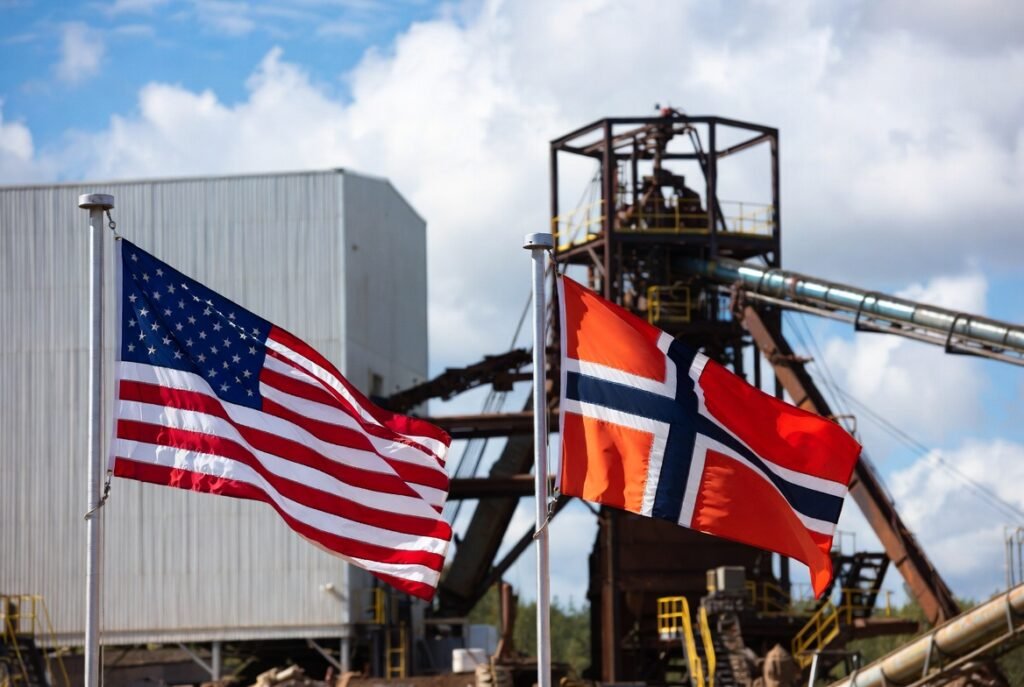
Rubio discussed critical minerals with Støre as part of strategic resource policy
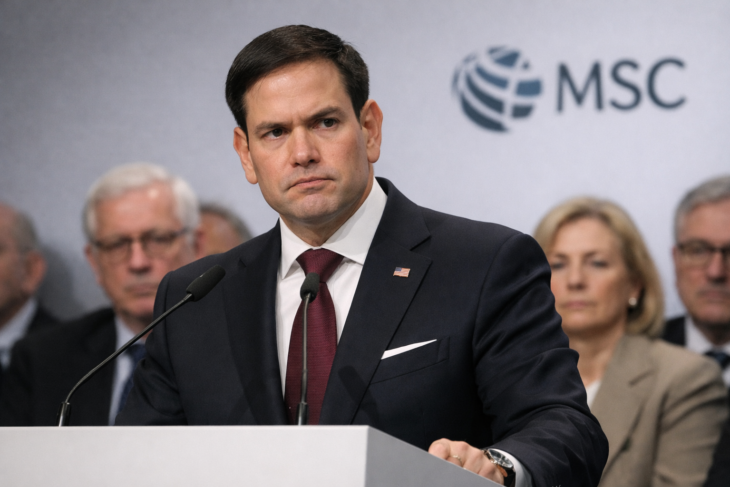
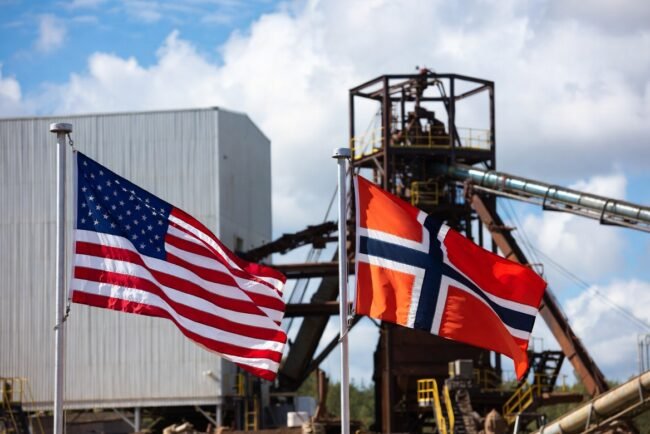
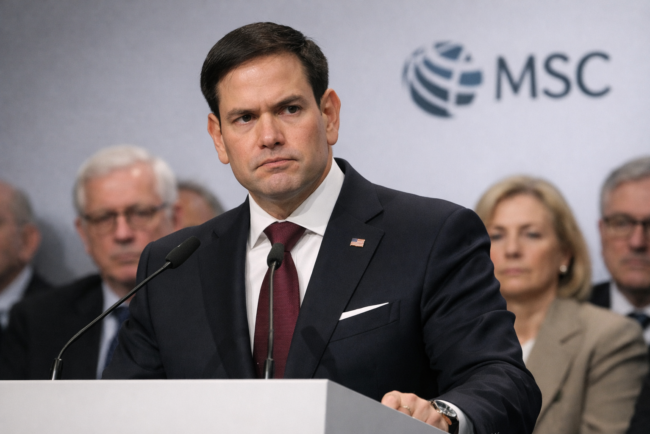
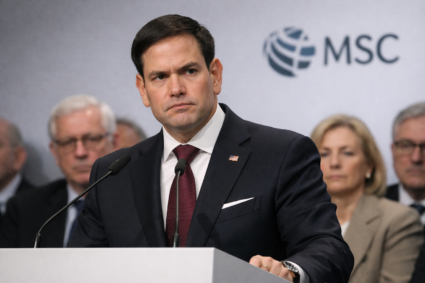
U.S. Secretary of State Marco Rubio signaled after meeting Prime Minister Jonas Gahr Støre at the Munich Security Conference that cooperation between the United States and Norway will deepen around strategic supply chains. Rubio discussed critical minerals with Støre alongside Arctic security and the growing strategic importance of Greenland.
The statement was published late Saturday, where Rubio emphasized that control over raw materials has become a core component of modern security policy. Critical minerals are essential for batteries, defense systems, electronics, artificial intelligence and space technology. Access to them is therefore increasingly comparable to the geopolitical importance oil once held.
The meeting illustrates how industrial policy, resource access and national security are now intertwined.
Norway’s role in the Arctic value chain
Rubio highlighted Norway’s role in the High North and directly linked it to supply security. The Arctic is becoming more important as ice retreat opens shipping routes and reveals deposits of rare metals and minerals.
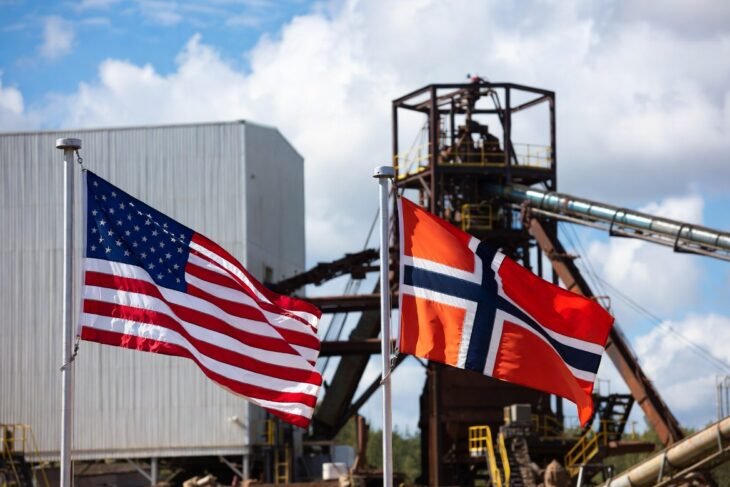
When Rubio discussed critical minerals with Støre the discussion was not limited to trade, but focused on control over future industrial production networks. Western countries are attempting to reduce reliance on rival powers for materials such as cobalt, nickel, graphite and rare earth elements.
For Norway this creates both economic opportunity and strategic responsibility, positioning the country as a potential cornerstone supplier for European and transatlantic industries.
Greenland and geopolitical positioning
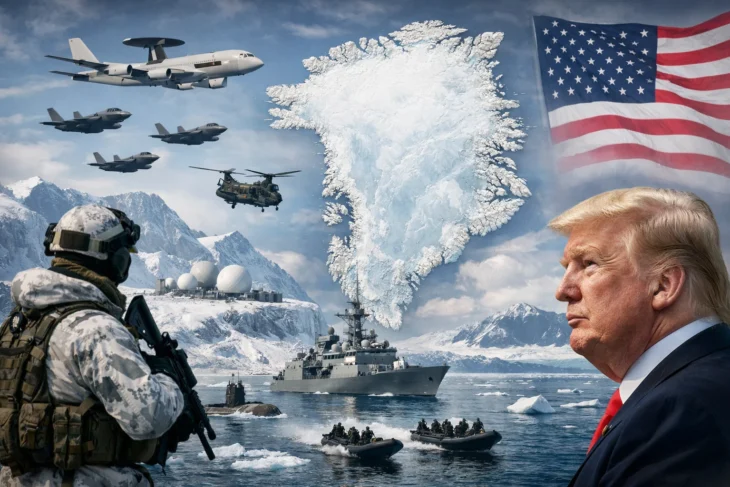
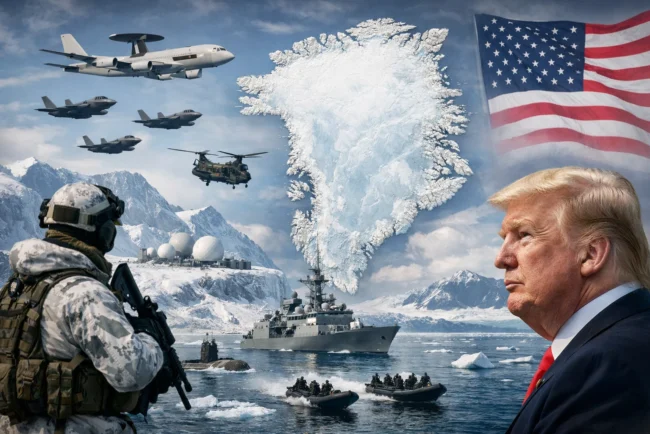
Greenland was also central to the talks. The island sits between North America and Europe and is crucial for missile warning systems, surveillance and Arctic maritime control. At the same time, Greenland holds large reserves of critical minerals.
When Rubio discussed critical minerals with Støre the topic must therefore be viewed in connection with the broader competition over Arctic resources and future trade routes. Control of materials increasingly determines technological and military capability.
Ukraine and the broader security context
The leaders also discussed Ukraine. While not directly linked to mineral production, the war has reshaped global commodity markets and energy pricing. Western states are trying to stabilize supply networks while reducing strategic vulnerabilities.
Rubio discussed critical minerals with Støre within a framework where economic security, military resilience and industrial capacity are treated as a single policy field.
Competition for future industry
Critical minerals are central to electrification, renewable energy and advanced manufacturing. Electric vehicles, wind turbines and modern weapons systems all depend on stable supply. Western governments are therefore building alternative supply networks independent of dominant global suppliers.
That Rubio discussed critical minerals with Støre shows how resource rich countries are gaining influence in the global balance of power. Commodities once seen purely as trade goods are now strategic security assets.
From trade policy to security policy
Historically raw materials belonged to economic diplomacy. Today they form part of defense planning. This shift alters investment decisions, regulation and industrial strategy. Companies face long term contracts, export controls and growing state involvement.
Rubio discussed critical minerals with Støre demonstrates how globalization is gradually evolving into politically aligned supply blocs built on trust and security cooperation.
A changing strategic partnership
The United States increasingly expects allies to contribute to economic security, not only military support. At the same time this strengthens Norway’s bargaining position internationally.
Future cooperation could include mining development, infrastructure protection, technology exchange and monitoring of Arctic transport routes.
Rubio discussed critical minerals with Støre therefore reflects a wider transformation in which natural resources once again become instruments of geopolitical influence and industrial competition.