
Written by Frode Skar, Finance Journalist.
Iran in serious talks with the United States as military risk escalates
Diplomacy under growing pressure
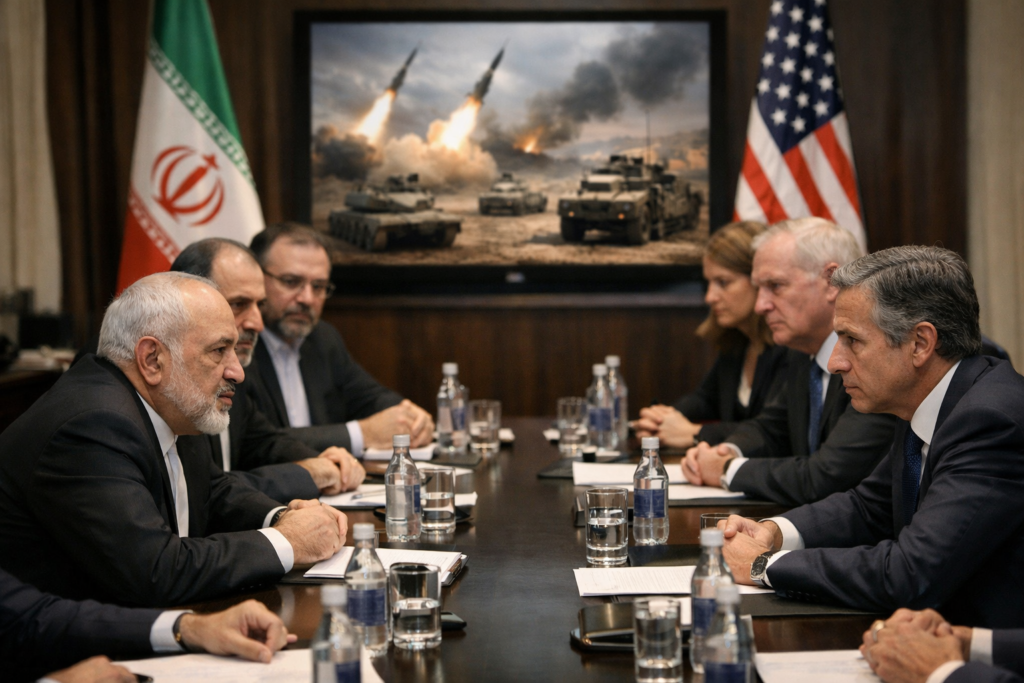
Tensions between Iran and the United States have intensified after confirmation from both sides that negotiations are taking place while the risk of military confrontation increases. Diplomatic signals are emerging alongside visible military movements, creating a familiar but dangerous pattern in the long running confrontation between Washington and Tehran.
For global markets, energy security and regional stability, the situation represents a high risk environment. Any miscalculation could trigger consequences far beyond the Middle East, with direct implications for oil prices, financial volatility and geopolitical alignments.
Negotiations with limited room for compromise
Public statements from Iranian and American officials suggest that some progress has been made at a procedural level. Talks are reportedly focused on creating a framework for negotiations rather than delivering immediate substantive outcomes. At the core of the discussions are Iran’s nuclear activities and its ballistic missile capabilities, two of the most contentious issues in international security policy.
Iran maintains that it has no intention of developing nuclear weapons and insists on its right to peaceful uranium enrichment. The United States, however, has advanced demands that would effectively require a complete halt to enrichment activities. This fundamental disagreement continues to limit the prospects for a rapid breakthrough.
Ballistic missiles as a strategic red line
While nuclear issues have been negotiated in the past, Iran’s ballistic missile program remains a firm red line for Tehran. Iranian authorities view missile capability as central to national defense and deterrence, particularly given the country’s regional security environment and past military confrontations.
American pressure to restrict or dismantle this capability is therefore seen as an existential threat rather than a negotiable policy issue. This divergence significantly complicates diplomatic efforts, as both sides treat these demands as non negotiable elements of national security.
Military presence as leverage
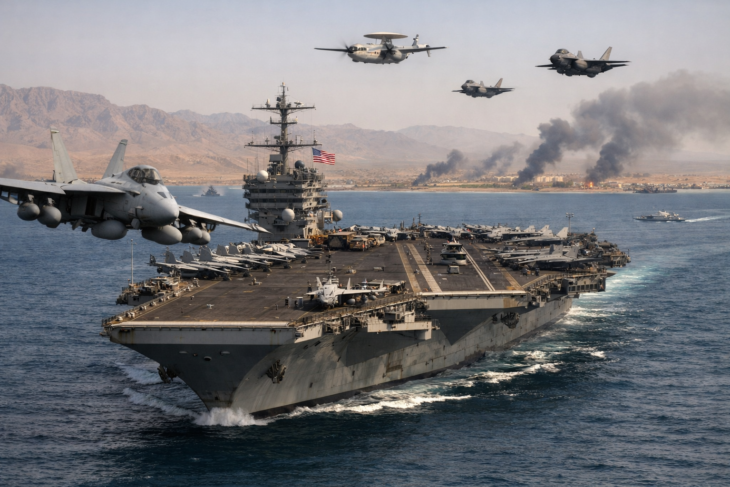
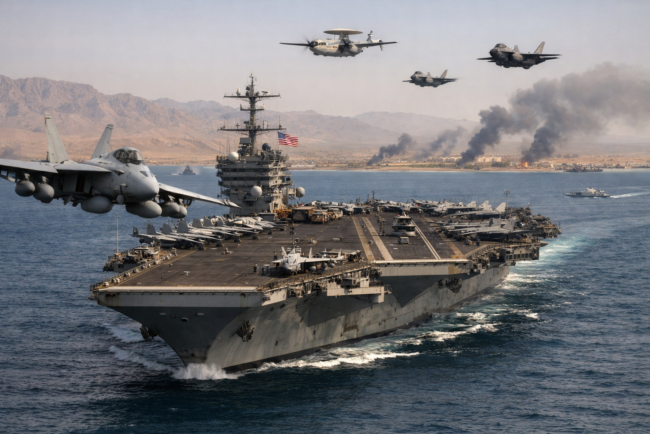
Alongside diplomatic engagement, the United States has reinforced its military posture in the region. Naval forces moving toward Iranian waters are widely interpreted as a signal intended to increase pressure during negotiations.
Such demonstrations of force are designed to raise the cost of non compliance. At the same time, they increase the risk of unintended escalation. History shows that periods marked by heightened military readiness and limited communication can rapidly spiral into open conflict following isolated incidents or misjudgments.
Domestic unrest inside Iran
Internal developments within Iran further complicate the situation. Protests against the government and a harsh security response have heightened domestic tension. American rhetoric has increasingly linked potential military action to concerns over human rights and the treatment of demonstrators.
From Tehran’s perspective, this reinforces suspicions that Washington’s objectives extend beyond arms control and into the realm of regime change. Such perceptions harden Iranian negotiating positions and increase the likelihood of confrontational responses.
Risk of regional escalation
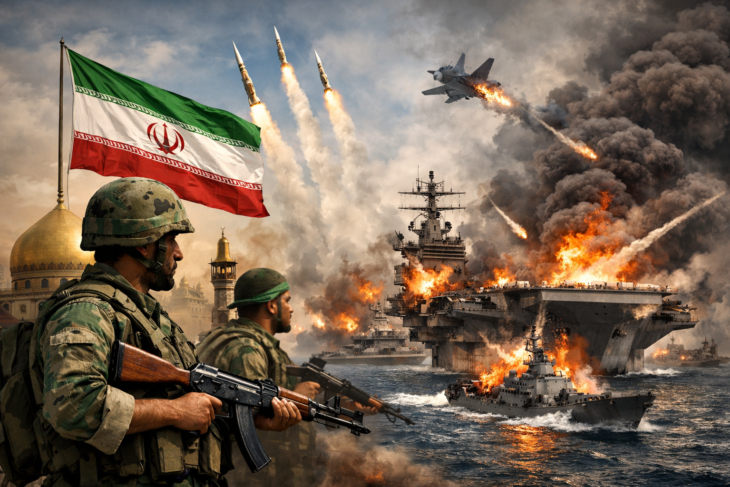
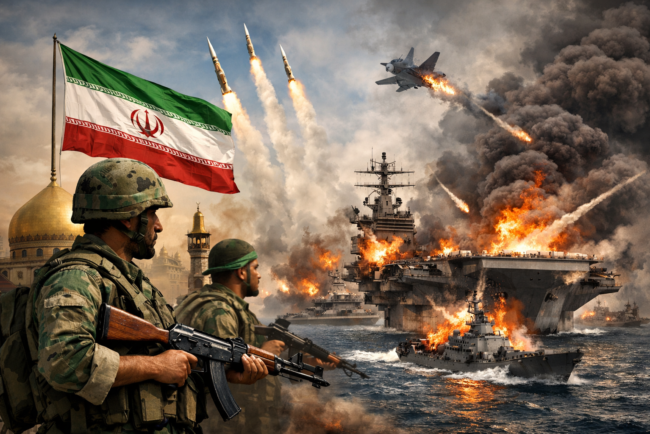
Any US military action against Iran would reverberate across the region. Iranian officials have repeatedly stated that an attack would be met with swift and substantial retaliation. This could include strikes against American interests, allied targets or critical maritime routes.
The Strait of Hormuz is particularly sensitive. A significant share of global oil shipments passes through this narrow corridor. Even limited disruption could produce immediate spikes in energy prices and contribute to broader economic instability.
Possible military scenarios
Washington has several military options, each carrying different levels of risk. Limited strikes on military infrastructure could degrade Iranian capabilities but would almost certainly provoke retaliation. Attacks on nuclear related facilities are technically complex and politically fraught, given the fortified nature of many sites.
Another scenario involves targeting missile systems or senior military leadership. While this could reduce Iran’s short term response capacity, it also raises the likelihood of broader regional conflict. The most extreme option, direct efforts toward regime change, is also the most unpredictable.
The danger of state collapse
A collapse of Iran’s governing structures would create a power vacuum in an already volatile region. Past experience suggests that such outcomes often lead to fragmentation, internal conflict and the rise of non state armed groups.
This scenario is deeply concerning for regional actors, including US allies, who fear that instability could spread across borders and generate long term security threats that are more difficult to manage than the current standoff.
Economic pressure as an alternative tool
Beyond military force, economic measures remain under consideration. Intensifying restrictions on Iranian oil exports could weaken the government over time by reducing revenue streams. However, such actions would also affect global energy markets and could contribute to higher prices and renewed inflationary pressures worldwide.
Economic pressure has historically produced mixed results. Governments with strong internal control mechanisms have often proven resilient, particularly when sanctions can be framed domestically as external aggression.
Uncertainty surrounding US objectives
A key source of instability is the lack of clarity regarding Washington’s ultimate goals. It remains unclear whether the primary aim is to force Iran back into negotiations, weaken its military capabilities or pursue a broader strategy aimed at regime change.
This ambiguity complicates diplomatic calculations. When objectives are uncertain, it becomes difficult for the opposing side to determine which concessions, if any, would meaningfully reduce pressure.
Market reactions and global implications
Financial markets are closely monitoring developments. Rising geopolitical risk in the Middle East has historically driven increases in oil prices, heightened volatility and greater demand for safe haven assets such as gold and government bonds.
For Europe and Asia, both heavily reliant on stable energy supplies from the region, the situation represents a significant economic risk. Any disruption to oil flows could quickly influence inflation expectations, interest rate policy and growth prospects.
A fragile balance
Iran and the United States are navigating a delicate balance in which diplomacy and military deterrence operate simultaneously. Talks are ongoing, but they take place under the shadow of explicit threats and visible preparations.
History suggests that such standoffs can either result in pragmatic compromises or unravel rapidly due to unexpected events. Much will depend on political decision making in the coming weeks, as well as the ability of both sides to maintain communication and avoid miscalculation.
The path forward
For the international community, preserving diplomatic channels is essential. A direct military confrontation between Iran and the United States would carry consequences extending far beyond the region itself.
The current situation highlights the close interconnection between geopolitics, energy markets and global finance. Regardless of the outcome, this period is likely to serve as a case study in how major powers manage risk, negotiation and pressure in an increasingly unstable international system.