


Germany Considers a Boycott of the 2026 World Cup: What This Means for the Global Economy, Sponsors, and the UK
Skrevet av Frode Skar Finans Journalist.
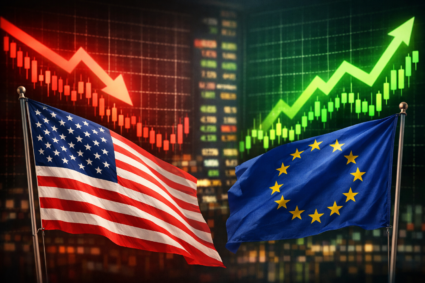
What for a long time was dismissed as political noise surrounding the 2026 FIFA World Cup is now developing into a concrete economic risk scenario. Statements from senior figures in German football regarding a potential boycott of the tournament have sent shockwaves through both the sports world and global financial markets. When the world’s most lucrative sporting event becomes entangled in geopolitics, the consequences extend far beyond the pitch.
The 2026 World Cup, set to be hosted by the United States, Canada, and Mexico, has been positioned as the most commercially ambitious tournament in FIFA’s history. Revenue projections are built on full participation from Europe’s largest football nations. A possible boycott by Germany, and potentially other European countries, puts the entire financial model at risk.
Boycott
A World Cup boycott means that national teams choose not to participate despite qualifying on sporting merit. Historically, such decisions have been rare, but when they occur, the political and economic consequences are severe. The 1980 Summer Olympics remain a clear example of how geopolitical conflicts can destroy the commercial and symbolic value of global sporting events.
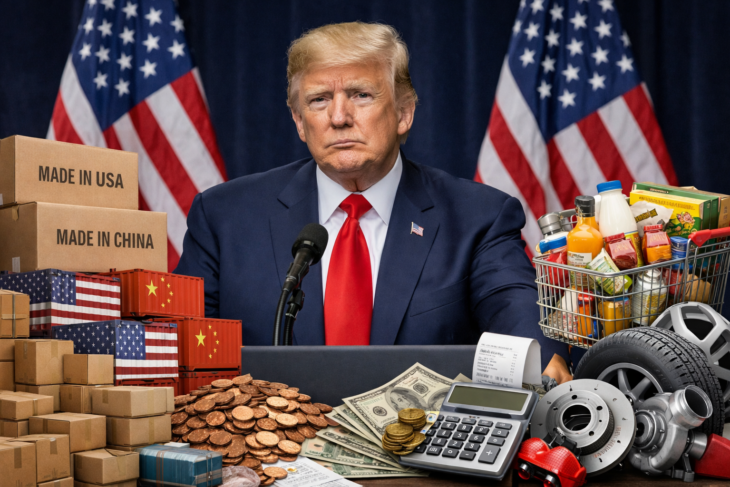
The situation in 2026 is distinct. Criticism is not primarily directed at the host countries’ infrastructure or sporting readiness, but at US foreign policy, immigration rules, and trade tensions with European allies. When sport becomes directly affected by security policy and trade relations, a boycott turns into a powerful economic and political tool.
Why Germany Is Considering a Boycott
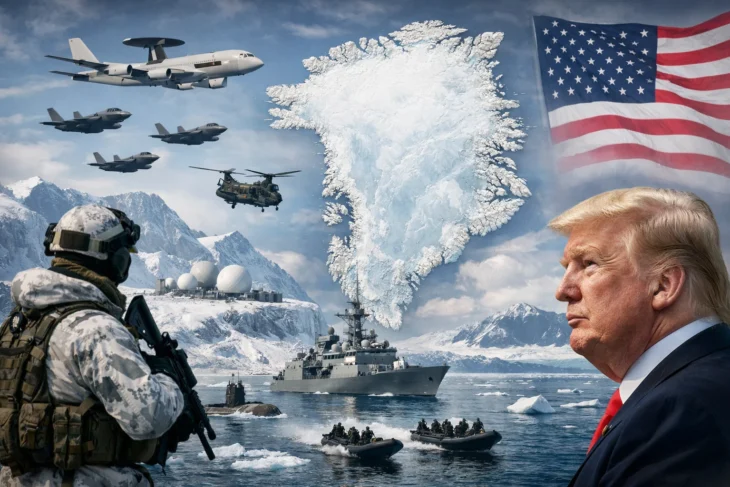
German football authorities point to a combination of political, practical, and principled concerns. Stricter visa requirements, increased border controls, and uncertainty around fan access to the United States are cited as concrete challenges. At the same time, the US political stance towards Europe has contributed to rising tensions within NATO.
When political decisions in the host country directly affect who can attend matches, the commercial value of the tournament is weakened. The World Cup is not only a television product, but also a massive tourism project. Without European fans, atmosphere, ticket sales, and local economic spillovers are significantly reduced.
The European Domino Effect
The most serious economic risk lies in the potential domino effect. If Germany withdraws, pressure will mount on other major European football nations to follow suit. England, France, Spain, and Italy are all reported to be closely monitoring developments.
Europe represents the core of the global football economy. The majority of broadcasting rights, sponsorship deals, and commercial partnerships are built on European participation. Remove these teams, and the tournament’s overall value drops dramatically.
Consequences for FIFA and Sponsors
FIFA has budgeted the 2026 World Cup as a record-breaking revenue event. Sponsors, including global beverage, payment, and technology companies, have signed agreements worth hundreds of billions of kroner based on expected worldwide exposure.
If key European teams fail to participate, sponsors may demand renegotiations or, in extreme cases, withdraw entirely. Sponsorship contracts are often tied to specific markets and viewership levels. A World Cup without Germany, England, and France would deliver significantly lower returns on marketing investment.
For FIFA, this represents not only a revenue risk but also a legal one. Breaches of commercial assumptions could lead to prolonged legal disputes and lasting damage to institutional credibility.
Global Financial Spillover Effects
The World Cup typically acts as a temporary economic engine for host countries. Hotels, restaurants, transport, security services, and retail sectors usually experience a sharp surge in activity during the tournament.
A boycott or reduced European participation would hit the United States particularly hard, as it is set to host the majority of matches. Lower international fan attendance translates directly into lost revenue and could render large-scale infrastructure investments unprofitable.
At the same time, Canada and Mexico may benefit by hosting additional matches. Both countries are increasingly positioning themselves as politically stable and predictable alternatives, potentially shifting significant economic value away from the US.
Implications for Financial Markets
Major international sporting events are closely linked to publicly listed companies in media, advertising, travel, and consumer sectors. Uncertainty surrounding the execution of the 2026 World Cup could influence share prices and investment decisions across these industries.
Companies heavily exposed to US tourism and entertainment markets may be particularly vulnerable. Conversely, Canadian and Mexican firms in hospitality and real estate could experience increased investor interest.
What This Means for the UK Economy
The UK is not a host nation, but the economic impact would be indirect rather than insignificant. British companies in broadcasting, advertising, technology, and sports marketing are deeply embedded in the global value chains surrounding major tournaments.
A weakened World Cup product could reduce demand for UK-based services and content. At the same time, heightened geopolitical uncertainty may affect broader investor sentiment, with implications for sterling, equity markets, and overall risk appetite.
UK pension funds and institutional investors with exposure to global media and consumer companies may also face indirect effects.
Sport and Geopolitics as Economic Risk
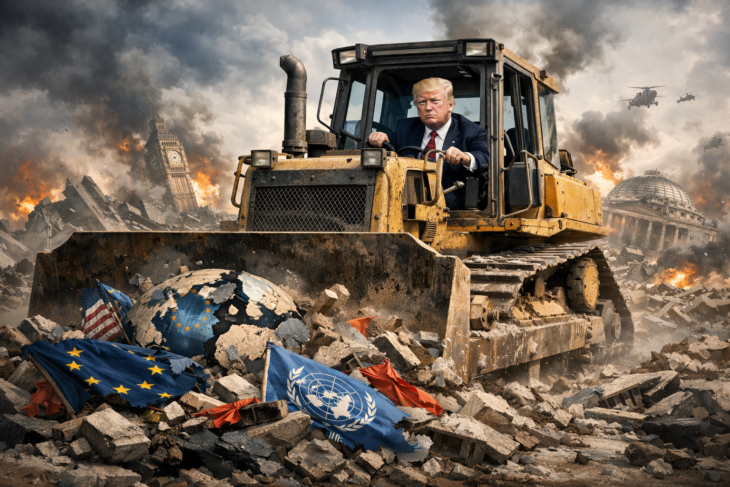
The 2026 World Cup clearly illustrates how sport can no longer be separated from geopolitics and economics. When international conflicts affect the viability of global events, sport itself becomes a financial risk factor.
For investors and policymakers, this highlights the need to reassess political risk beyond traditional sectors. Sports economics is increasingly intertwined with trade policy, diplomacy, and security considerations.
Our Assessment
A potential German-led boycott of the 2026 World Cup represents a genuine economic threat to the world’s largest sporting event. The risk is not merely sporting, but financial, involving billions in potential losses, weakened trust, and growing geopolitical fragmentation.
For the UK economy, this is primarily an indirect risk scenario, but it serves as a powerful reminder of how global political tensions can rapidly spill over into markets once considered politically neutral.
The 2026 World Cup may ultimately be remembered as a turning point where sport, geopolitics, and economics became inseparably linked, challenging both FIFA and global financial markets.