US naval buildup in the Middle East heightens tensions and geopolitical risk
Written by Frode Skar Financial Journalist.
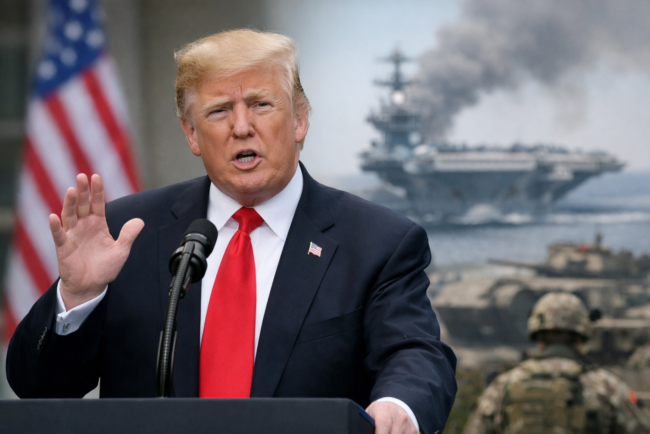
Tensions in the Middle East have escalated sharply as the United States deploys a major naval force to the region. Iranian-backed groups have signaled readiness to resume attacks, adding a new layer of geopolitical uncertainty with potential spillover into global financial markets.
Significant US military deployment
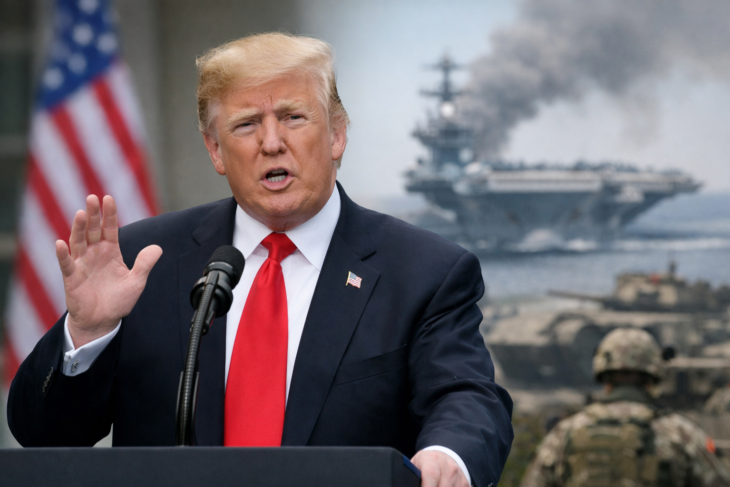
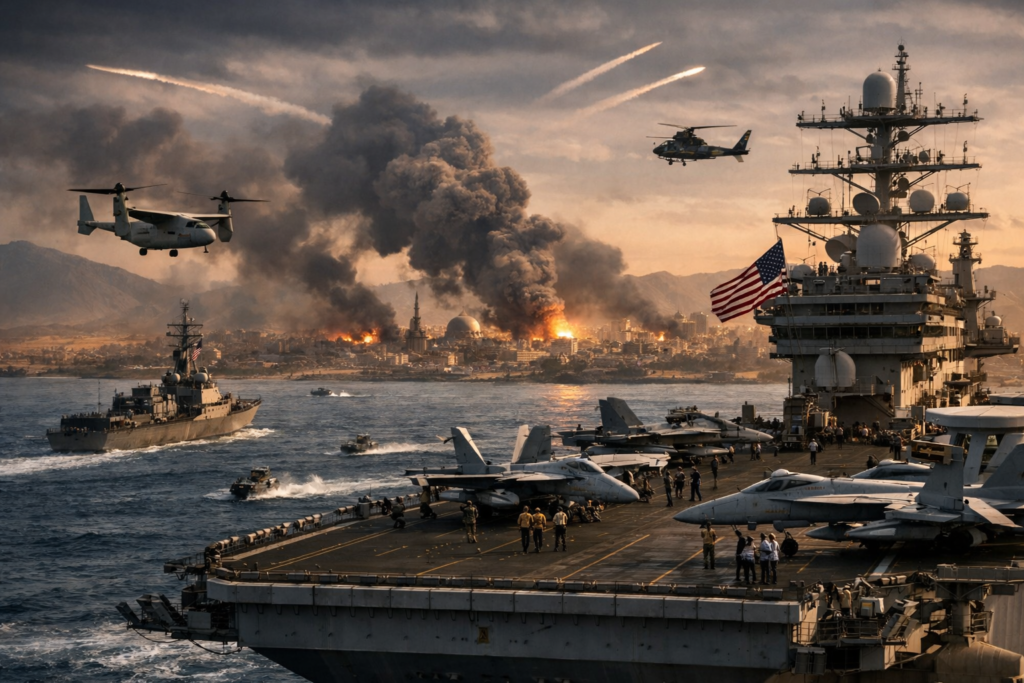
The US Navy has dispatched the nuclear-powered aircraft carrier USS Abraham Lincoln alongside destroyers, submarines equipped with Tomahawk missiles, F-35 fighter jets and advanced air defense systems. The fleet is operating with reduced visibility, underscoring the seriousness of the military posture.
The deployment is widely seen as a pressure tactic aimed at Iran following reports of severe crackdowns on domestic protests and rising regional instability.
Washington’s strategic objectives
US officials identify three core objectives: curbing Iran’s nuclear program, weakening its ballistic missile capabilities and reducing the influence of Iran-backed proxy forces. Despite previous strikes reportedly damaging nuclear facilities, uncertainty remains over Iran’s remaining capacity.
The military buildup is intended primarily as leverage to push Tehran toward a deal rather than an immediate military confrontation.
Reluctance among regional allies
Several US allies in the Middle East have expressed reluctance to allow their territories to be used as launchpads for potential strikes. Concerns over Iranian retaliation against their own countries and Israel have complicated the strategic calculus.
This hesitancy limits operational options and increases the risk of unintended escalation.
Political constraints in a US election year
Domestic political considerations further complicate the situation. With midterm elections approaching, US leadership is keen to avoid becoming entangled in a prolonged conflict that could carry significant political and economic costs.
There is also uncertainty over whether weakening the Iranian regime would lead to greater stability or trigger further regional chaos.
Market and economic implications
Heightened tensions in the Middle East often impact energy markets, commodity prices and overall investor sentiment. Historically, such developments have driven oil prices higher and increased volatility across global markets.
Investors are closely monitoring developments, as any escalation could have far-reaching consequences for the global economy.