India and Canada move to revive trade talks amid growing global uncertainty
Written by Frode Skar, Financial Journalist.
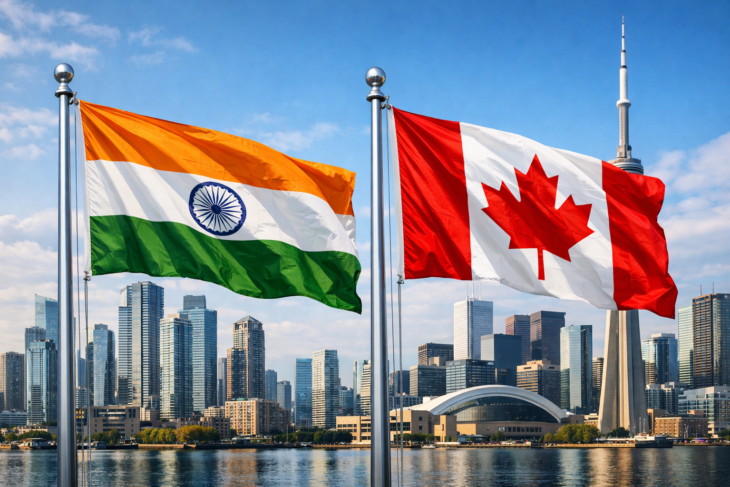
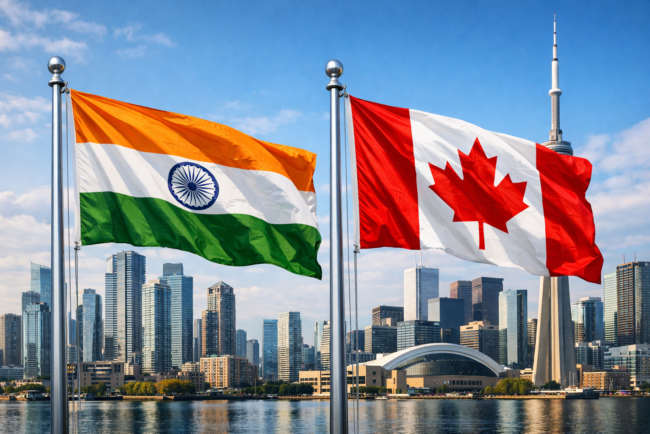
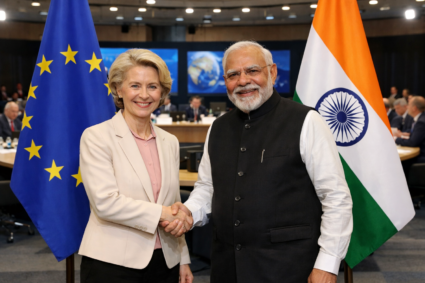
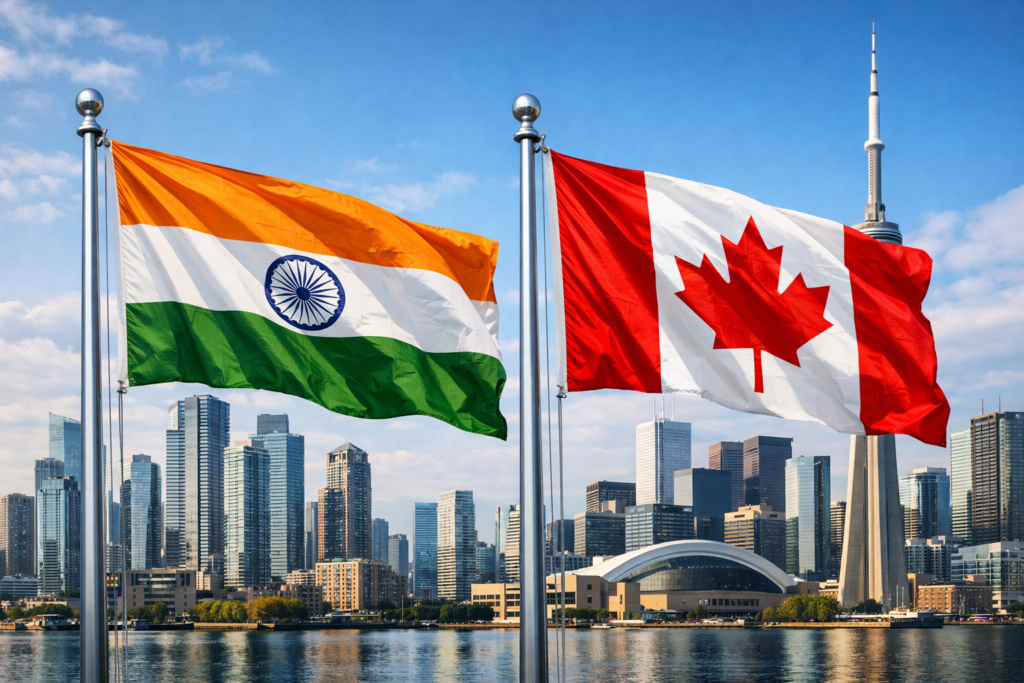
India and Canada are now moving to restart trade negotiations that have been stalled for nearly two years. The renewed push comes as global economic uncertainty, geopolitical fragmentation, and a weakening rules-based trade order force countries to rethink how they secure long-term economic stability.
Lost time creates urgency
India’s High Commissioner to Canada, Desh Patnaik, has emphasized that both sides recognize how much time has been lost. In an environment where countries around the world are racing to conclude bilateral and regional trade agreements, speed has become a strategic necessity.
A rules-based system under pressure
According to Indian officials, the traditional rules-based global order that once provided certainty and predictability is no longer functioning as intended. As a result, nations are increasingly relying on direct agreements to shield their economies from volatility and political risk.
A shifting balance of economic power
Since negotiations first began, India has risen from the world’s 11th largest economy to the fourth largest, while Canada remains among the top ten. This shift has significantly strengthened India’s negotiating position and reduced the need for compromises that may have been necessary in the past.
From free trade to comprehensive partnership
The scope of the talks has expanded over time. What started as a potential free trade agreement evolved into an early progress trade agreement and is now focused on a Comprehensive Economic Partnership Agreement (CEPA). This broader framework covers trade, investment, financial flows, mobility, and wider economic cooperation.
Political reset and renewed momentum
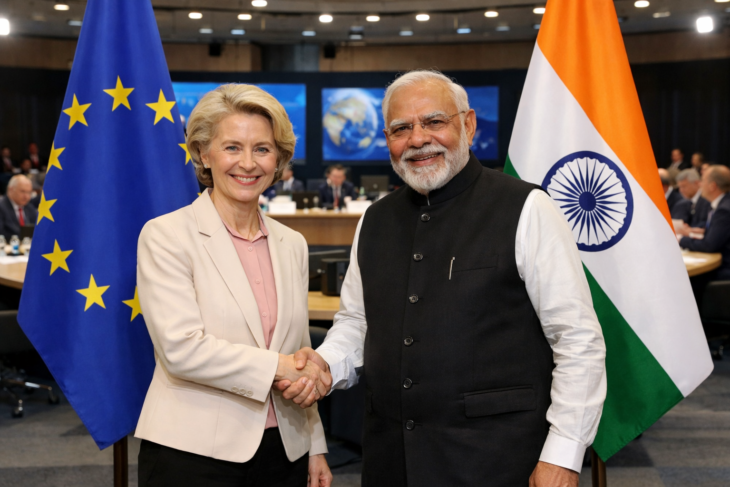
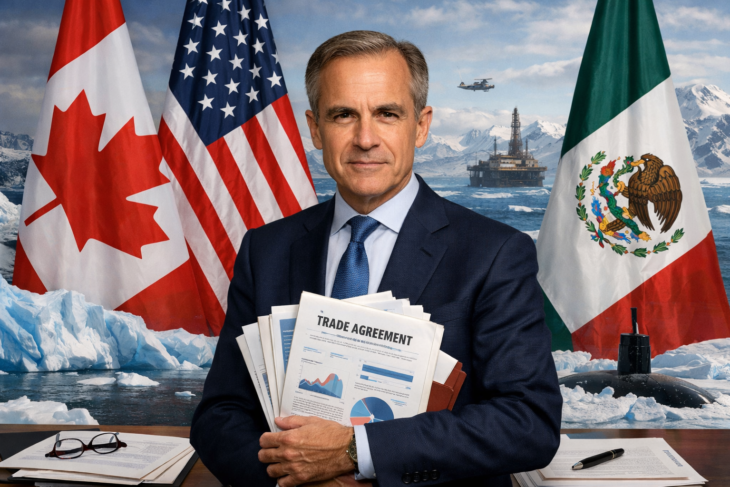
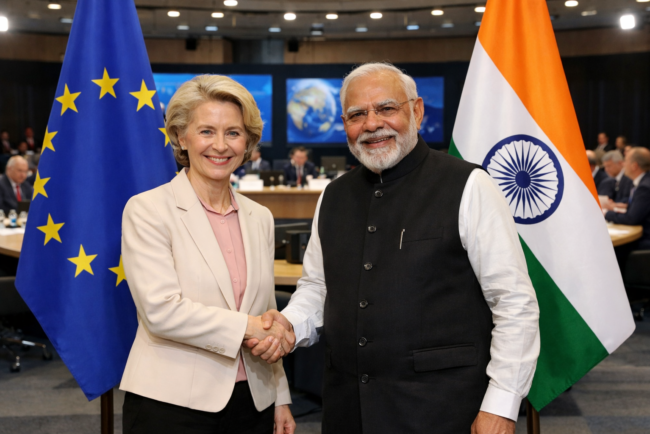
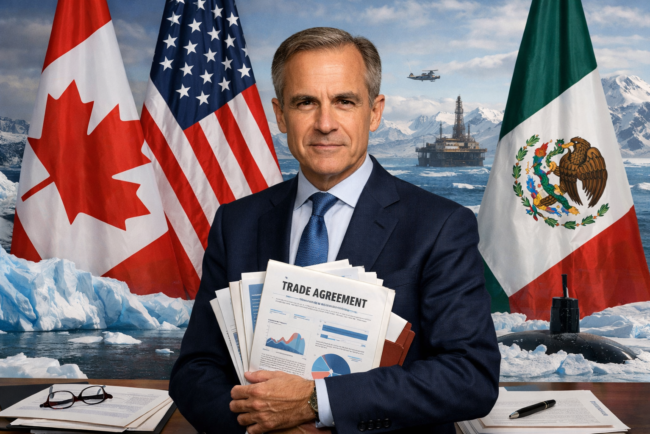
Canadian Prime Minister Mark Carney’s expected visit to India in March is widely seen as a signal of a political reset following a period of strained relations. Both governments now appear committed to rebuilding trust and advancing economic cooperation.
Strategic cooperation among mid-sized economies
Officials on both sides argue that strong mid-sized economies with shared interests must work together to protect themselves from instability in the global system. For Canada, which already maintains free trade agreements with most G7 countries, deeper engagement with India supports its broader diversification strategy.
More than trade
While trade is at the center of the discussions, security and geopolitics also shape the context. Shifts in U.S. trade policy and growing uncertainty around existing agreements underscore the importance of a comprehensive and resilient economic partnership.
What comes next
Although negotiations remain at an early stage, signals from both governments suggest growing political will to move forward. In a fragmented global economy marked by rising trade tensions, a renewed India–Canada agreement could serve as a stabilizing force.
How quickly progress is made will depend on the ability of both sides to align national interests with the need for predictability and long-term cooperation in an increasingly complex global environment.