Written by Frode Skar, Finance Journalist.
Donald Trump may attend the Winter Olympics if the USA reaches the final
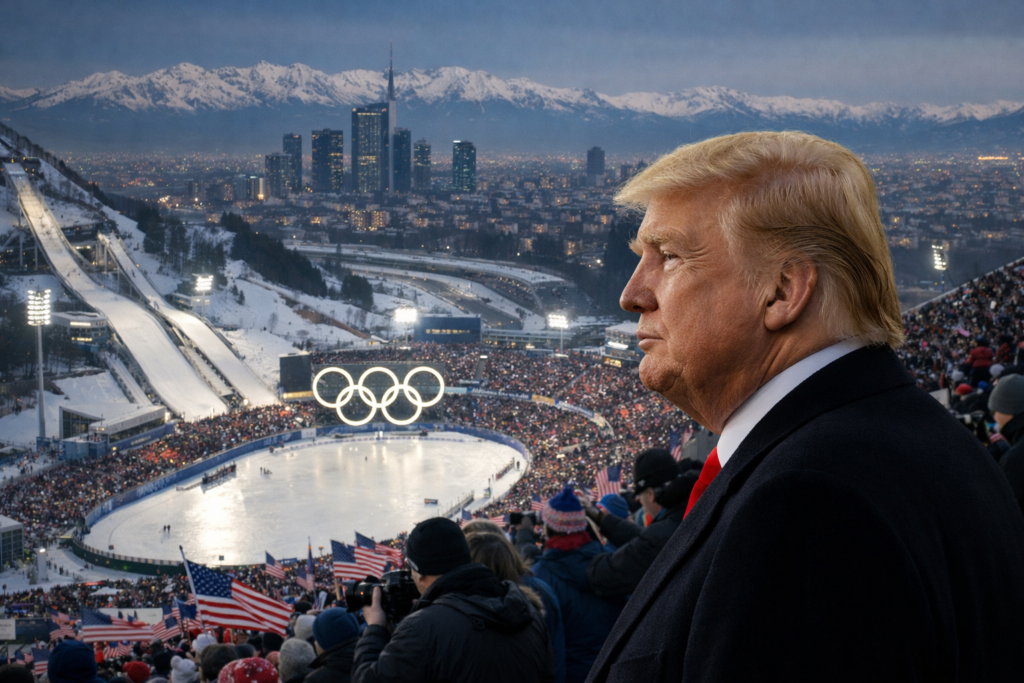
Donald Trump may attend the Winter Olympics sends political and economic signals
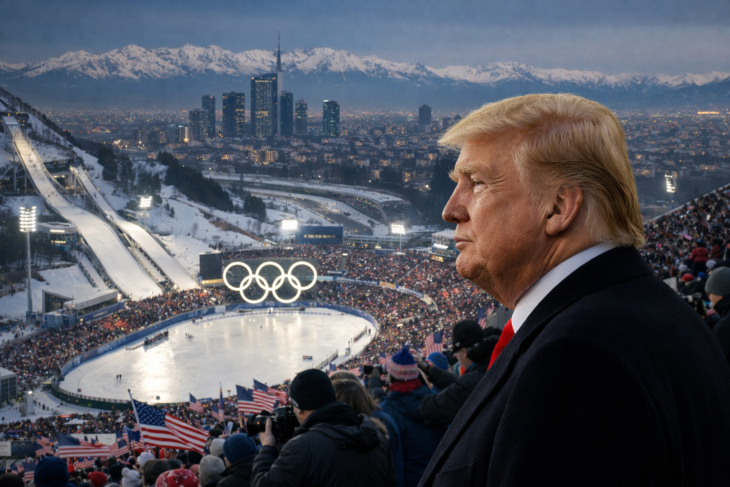
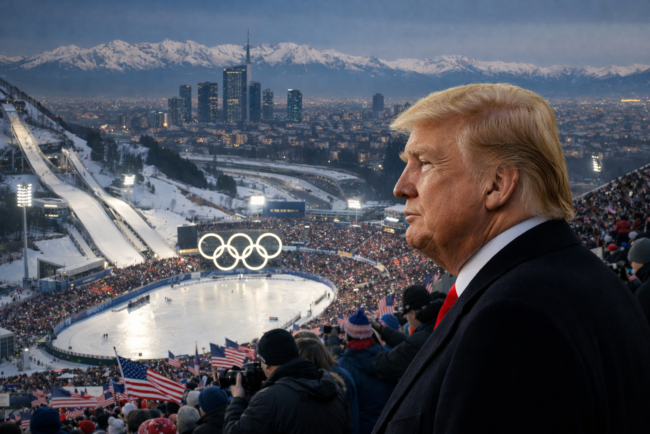
The US president could make history by appearing at the Winter Olympics in Milan this week. According to Italian media a short visit is being prepared for the men’s ice hockey final but only if the American team qualifies.
Such an appearance would make him the first US president ever to physically attend a Winter Olympics abroad. Traditionally the vice president leads the American delegation reflecting a balance between representation and political distance.
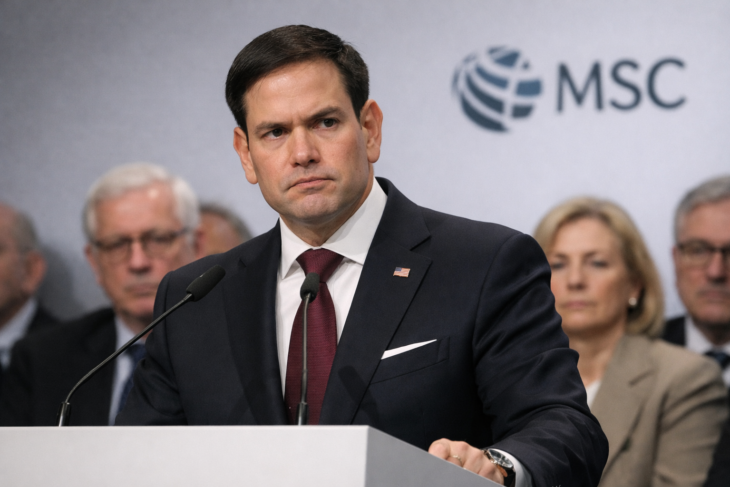
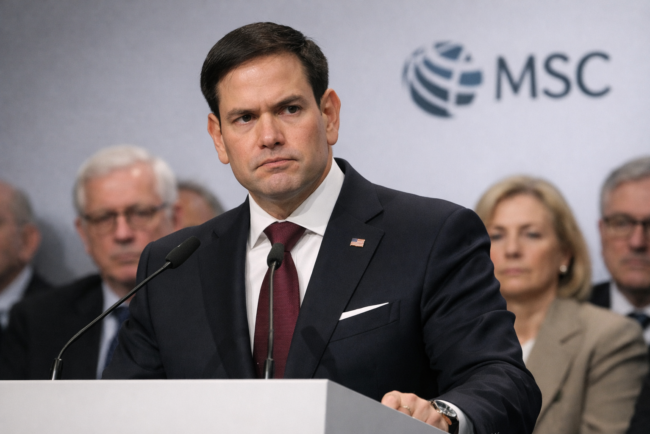
The United States was already represented by Vice President JD Vance and Secretary of State Marco Rubio during the opening ceremony in Milan. Reactions were strong as Vance was booed by parts of the crowd highlighting how geopolitics increasingly shapes international events.
A presidential appearance would therefore not only carry sporting symbolism. It would represent a diplomatic signal with economic implications.
Donald Trump may attend the Winter Olympics influences market sentiment
Major international sporting events often function as platforms for geopolitical messaging. When heads of state attend investors interpret it as a signal regarding international relations.
Italy is currently navigating slow economic growth and high public debt. A high level visit from Washington could strengthen political ties between the United States and European governments which markets typically view as stabilizing for the euro area.
At the same time the visit could trigger demonstrations. Protests against US policies have already been reported in Milan ahead of the event. Political unrest around events affects tourism revenue security costs and insurance premiums.
Such developments particularly influence:
travel and hospitality companies
insurance markets
security providers
currency markets
Financial markets respond less to sport itself and more to the political messaging surrounding the event.
A potential break with US political tradition
Historically US presidents rarely attend Olympic Games abroad. George W. Bush became the first sitting president to visit a foreign Summer Olympics when he attended Beijing in 2008.
No president has ever attended a Winter Olympics outside the United States. If the visit occurs it would break a long standing political practice in which the presidency maintains distance from sporting venues.
The reasoning relates to both security and diplomatic risk. The reaction to Vance demonstrates how audiences can turn such arenas into political stages.
For markets this matters because it shows increasing overlap between politics and global entertainment events. Sponsors and multinational corporations must therefore account for political risk within the sports economy.
Outcome depends on an ice hockey match
The visit depends entirely on sporting results. The United States must advance past the quarterfinal before a potential final appearance becomes possible. The path indirectly depends on the result between Sweden and Latvia.
If the United States is eliminated the visit is expected to be cancelled. This makes the situation unusual as a head of state trip becomes tied to a sports outcome.
For the host city this creates planning challenges. Security measures must be prepared without certainty they will be used creating significant costs.
Short notice state visits typically involve:
airspace restrictions
expanded police presence
transport closures
higher security budgets
These factors directly influence local economic activity during the event period.
Sport becomes a geopolitical stage
International sport has gradually turned into a channel for political signaling. Trade disputes sanctions and diplomatic tensions frequently surface through crowd reactions and official representation.
The US administration has remained highly visible internationally including debate over Greenland policy adding symbolic weight to any potential visit.
From a financial perspective such events can signal future cooperation or conflict among allies. Investors therefore monitor them as indicators beyond sport.
Economic effects of a brief presidential visit
A short presidential appearance creates immediate costs but also potential gains. Global exposure may boost tourism and international visibility while security measures strain public budgets.
In a period of weak European growth such events matter for regional economies. However political tension can overshadow the economic benefit.
The situation illustrates how modern economies are increasingly influenced by political symbolism.