
Written by Frode Skar, Finance Journalist.
Zelensky peace deal could go to referendum this spring amid intense US pressure
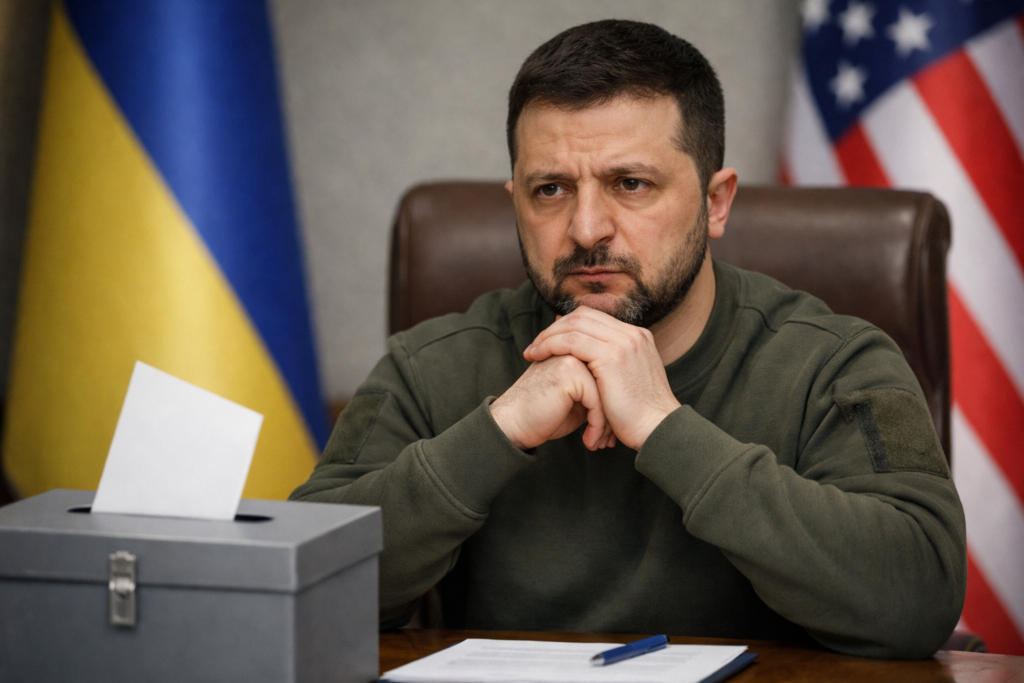
Zelensky peace deal tied to elections and referendum before summer
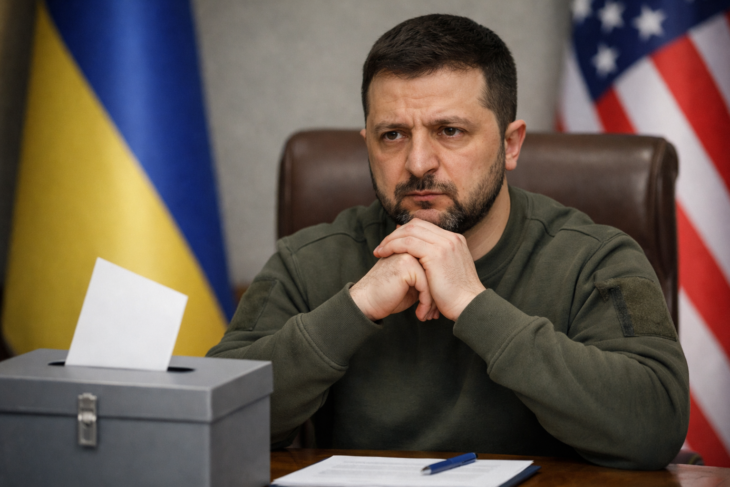
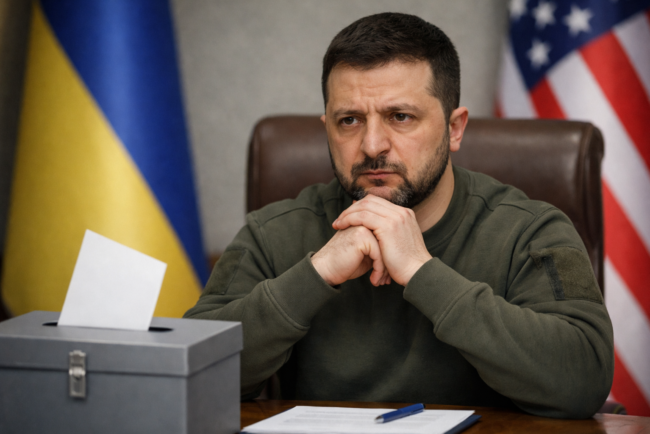
Ukrainian President Volodymyr Zelensky is preparing plans to hold both a presidential election and a national referendum on a potential peace deal as early as this spring. According to the Financial Times, the move follows intense pressure from US President Donald Trump and his administration, which are pushing for a political resolution to the war before the summer.
The plan is expected to be announced on February 24, marking the fourth anniversary of Russia’s full scale invasion of Ukraine. The proposal would outline a combined timeline for elections and a referendum, with any Zelensky peace deal requiring direct approval from the Ukrainian population.
However, the timetable remains uncertain. Ukraine and Russia are still far apart on core issues, particularly territorial control, and any escalation of Russian attacks on critical infrastructure or ground operations could delay or derail the process entirely.
US driven timeline shapes negotiations
Sources familiar with the discussions say Washington is the main driver behind the accelerated schedule. The US administration has reportedly made clear that it wants all key documents required to end the war signed by the end of June.
Zelensky has acknowledged this timeline publicly, stating that the goal is to conclude the conflict by early summer. The expectation is that the United States will apply sustained political pressure on both Kyiv and Moscow to keep talks aligned with this schedule.
For Zelensky, this creates a narrow political path. Any Zelensky peace deal must not only be negotiated internationally, but also legitimized domestically at a time when the country remains under extraordinary strain.
Zelensky peace deal faces legal and political barriers
The Ukrainian president has repeatedly stressed that holding elections or a referendum is legally impossible while martial law remains in force. Millions of Ukrainians are displaced, and roughly 20 percent of the country’s territory is still under Russian occupation.
These conditions raise serious questions about democratic legitimacy. A referendum on a Zelensky peace deal would take place in a country where large segments of the population lack normal access to polling stations, and where political campaigning and open debate are severely restricted by wartime conditions.
Despite this, Zelensky has consistently argued that any lasting peace agreement must be approved by voters. Without a popular mandate, he has warned, a peace deal would lack credibility and long term stability.
Risk of symbolic approval
Political analysts caution that elections and a referendum could become largely symbolic if the most contentious issues remain unresolved. Territorial concessions, in particular, pose a significant risk of internal political backlash.
Russia continues to push for Ukraine to relinquish control over parts of the Donbas region, where fighting remains intense. Kyiv has repeatedly rejected any such demand, leaving little room for compromise within a Zelensky peace deal, regardless of US pressure.
Potential direct talks in the United States
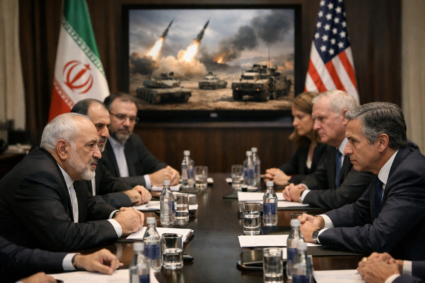
Alongside plans for elections and a referendum, Zelensky has confirmed that both Ukraine and Russia have been invited to direct, in person talks in the United States. The discussions are reportedly being considered for Miami, although timing and logistics have not yet been confirmed.
Ukraine has already confirmed its willingness to participate. If the meeting goes ahead, it would mark the first direct talks between the two sides on US soil since the war began, signaling a more active American mediation role.
The previous round of trilateral talks, held in the United Arab Emirates, failed to produce any breakthroughs. Meanwhile, the war has continued unabated, with fighting along the front lines and ongoing strikes on Ukrainian infrastructure.
Military pressure continues
Diplomatic efforts are unfolding against a backdrop of sustained military pressure. Russian forces continue operations in eastern Ukraine, particularly in the Donbas, using battlefield advances as leverage in negotiations.
This dynamic complicates any political timetable. A significant escalation on the ground could quickly undermine support for negotiations and weaken domestic backing for a Zelensky peace deal.
A defining political moment for Zelensky
If implemented, the plans would make the spring of 2026 a decisive period for Ukraine. Holding a presidential election alongside a referendum on a Zelensky peace deal would force the country to confront unresolved questions that have been deferred since the start of the war.
For Zelensky personally, the stakes are exceptionally high. The outcome would shape not only his political future but also how history judges his leadership at the end of the conflict.
With strong US pressure, continued Russian aggression and deep internal constraints, Ukraine is approaching one of the most consequential political decisions of its post independence era.