Written by Frode Skar, Finance Journalist.
Russian politician challenges the Kremlin and calls the war a defeat
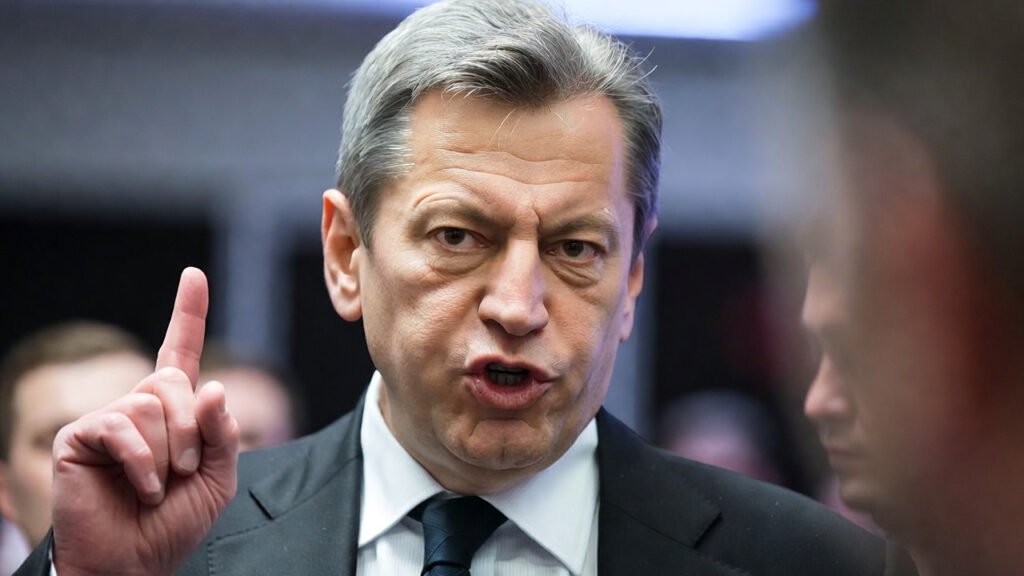
A rare break with the official narrative
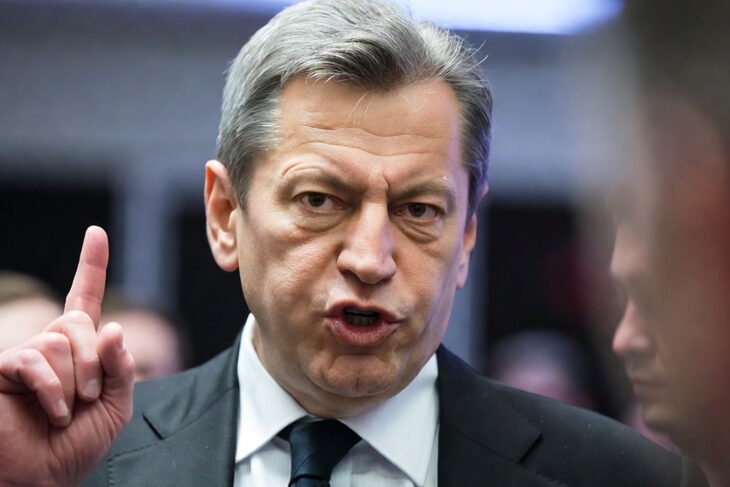
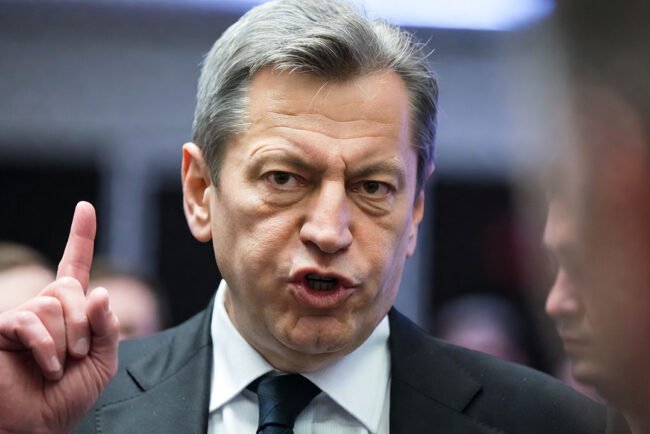
A Russian politician has done something that, in today’s Russia, carries severe personal risk. Speaking publicly in front of parliament, he stated that Russia cannot win the war in Ukraine and that what the Kremlin describes as a strategic withdrawal was, in reality, a humiliating military defeat. By contradicting President Vladimir Putin’s official narrative, the politician crossed a line that the Russian system treats as unacceptable.
This intervention is notable not because it comes from an anti war activist or a pro Western dissident, but because it does not. The speaker is neither sympathetic to Ukraine nor critical of the invasion on moral grounds. His argument is practical, strategic and economic. That is precisely what makes it so destabilising for the Kremlin.
Dismantling the myth of control
At the core of the statement was a blunt assessment. The declared objectives of what Russia calls the special military operation have not been achieved and cannot be achieved. The politician argued that since the spring of 2022, Russia has effectively been fighting not Ukraine alone, but a broad coalition of Western states providing military, financial and political support.
This directly contradicts the Kremlin’s long standing claim that Russia never intended to seize Kyiv and voluntarily withdrew from the capital’s outskirts. By calling this retreat a defeat, the politician challenged one of the most important pillars of Putin’s domestic messaging, the idea that Russia remains firmly in control of events.
War as an economic equation
The most striking element of the speech was its focus on economics. The politician described modern war as, above all, a contest between economic systems. Russia’s economy, which represents only a small fraction of global output, is structurally incapable of defeating an alliance whose combined economies account for more than half of global GDP.
This was not framed as ideology or moral critique, but as arithmetic. Industrial capacity, fiscal endurance and access to capital ultimately determine outcomes in prolonged conflicts. On these measures, Russia faces a fundamental disadvantage that no battlefield success can fully offset over time.
The nuclear dead end
The argument extended to the strategic paradox at the heart of the conflict. Russia cannot defeat NATO in a conventional war, but neither can NATO defeat Russia without risking nuclear escalation. Since there can be no winners in a nuclear exchange, the conflict becomes a grinding process that consumes lives, resources and social cohesion without offering a viable path to victory.
In this framing, the continuation of the war produces diminishing returns. It erodes moral norms, normalises death and propaganda, and accelerates economic exhaustion. Victory becomes a rhetorical concept rather than a realistic strategic outcome.
Declining oil revenues and fiscal pressure
The economic strain is already visible. Russian oil revenues have fallen significantly, driven not only by global price dynamics but by the deep discounts Russia must offer to sell its crude. These discounts have widened over time, effectively reducing state income with each barrel exported.
Energy revenues form a critical part of Russia’s government budget. As they decline, so does the state’s ability to finance military operations, maintain domestic spending and sustain political stability. This fiscal pressure undermines the long term viability of a prolonged war effort.
Isolation and asymmetric dependence on China
The speech also highlighted Russia’s growing international isolation. The number of genuine allies is limited, and the relationship with China has become increasingly unequal. Russia depends on Beijing for trade, technology and diplomatic cover, while China’s dependence on Russia is minimal.
This imbalance has led to a model in which Russia exports discounted raw materials and imports higher value manufactured goods. Over time, this dynamic weakens Russia’s industrial base and strategic autonomy, reinforcing its role as a junior economic partner.
Sanctions as a cumulative constraint
Western sanctions have not caused an immediate economic collapse, but they have imposed a cumulative constraint. Access to technology, finance and markets has been restricted, and alternative channels come at a high cost. Even in a scenario where sanctions were partially lifted following a ceasefire, much of the lost market share would be difficult to recover.
The politician described sanctions not as a sudden shock, but as a slow tightening that becomes more damaging the longer the conflict continues. This erosion compounds structural weaknesses already present in the Russian economy.
Punished for stating reality
The response from Russian authorities was swift. The politician has been arrested and charged with discrediting the army, a broadly defined offence used to silence dissent. The penalties include fines, prison time and exclusion from public office.
The message to other officials is clear. Even analytical, non moral criticism is unacceptable if it undermines the official narrative. Referring to the conflict as a war, acknowledging losses or discussing economic constraints is enough to trigger prosecution.
Cracks in the propaganda system
Despite repression, this voice is not isolated. Increasingly, cautious criticism is emerging from economists, business figures and even previously pro war commentators. The language is often indirect and carefully framed, but the underlying message is consistent. The current trajectory is unsustainable.
This suggests that even a tightly controlled information environment cannot indefinitely suppress economic and military realities. As costs mount, the gap between propaganda and lived experience widens.
A reality that cannot be detained
The Kremlin can imprison individuals, but it cannot imprison economic facts or strategic constraints. The parliamentary statement represents a rare moment when those realities were articulated openly inside the system.
For the Russian leadership, this is dangerous not because one politician can change policy, but because he voiced an assessment that many others share privately. Over time, such acknowledgements can accumulate, weakening the credibility of the official narrative and exposing the war as not only costly, but fundamentally miscalculated.